NARI x GFDA Workshop
Building Better: Key Takeaways from the NARI x Good Future Design Alliance Sustainable Construction Workshop at All Natural Stone
How designers, builders, architects, and homeowners can reduce waste, lower carbon emissions, and create healthier homes.
The future of building isn't just about creating beautiful spaces—it's about creating spaces that are healthier for the people who live in them and better for the planet we all share.
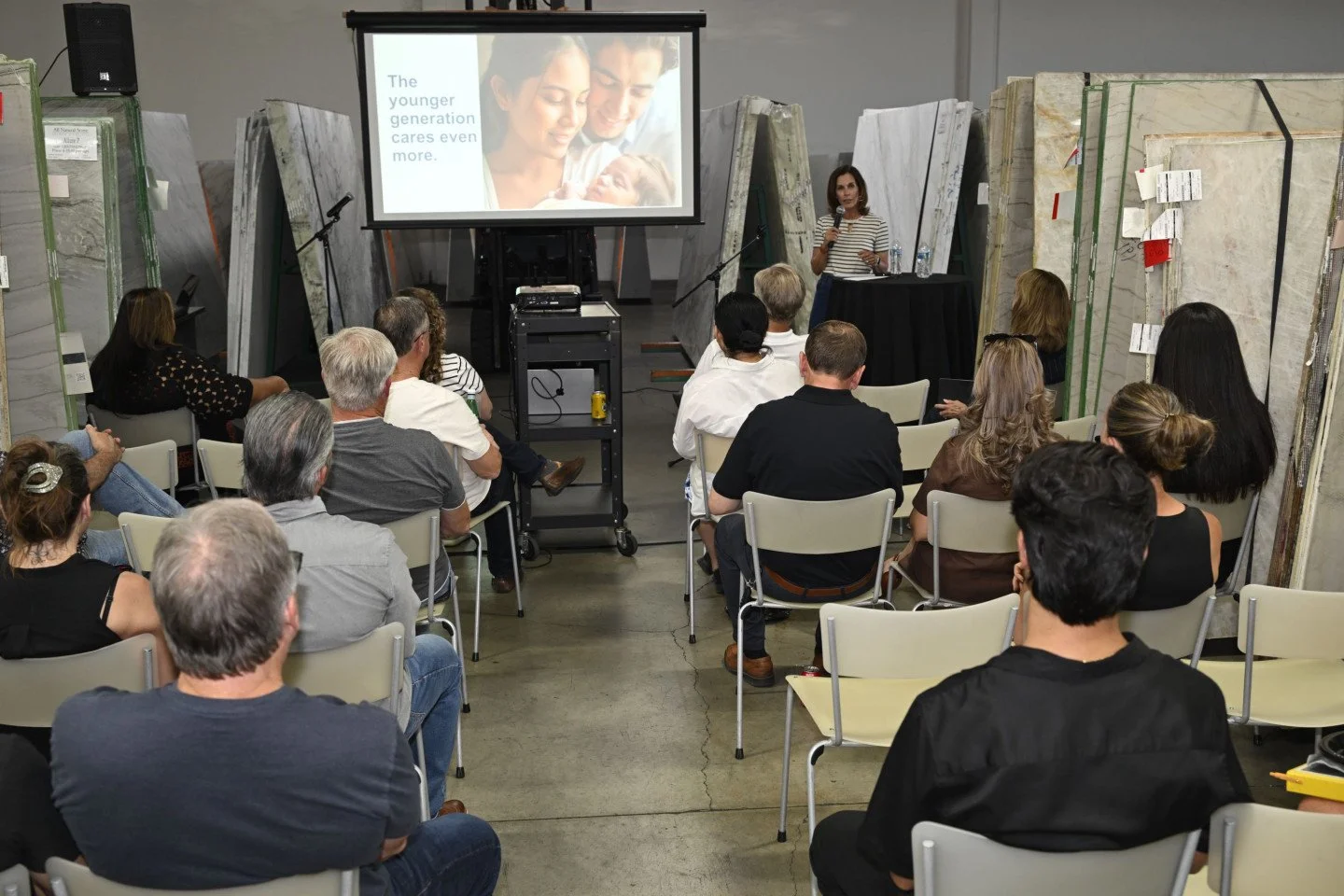
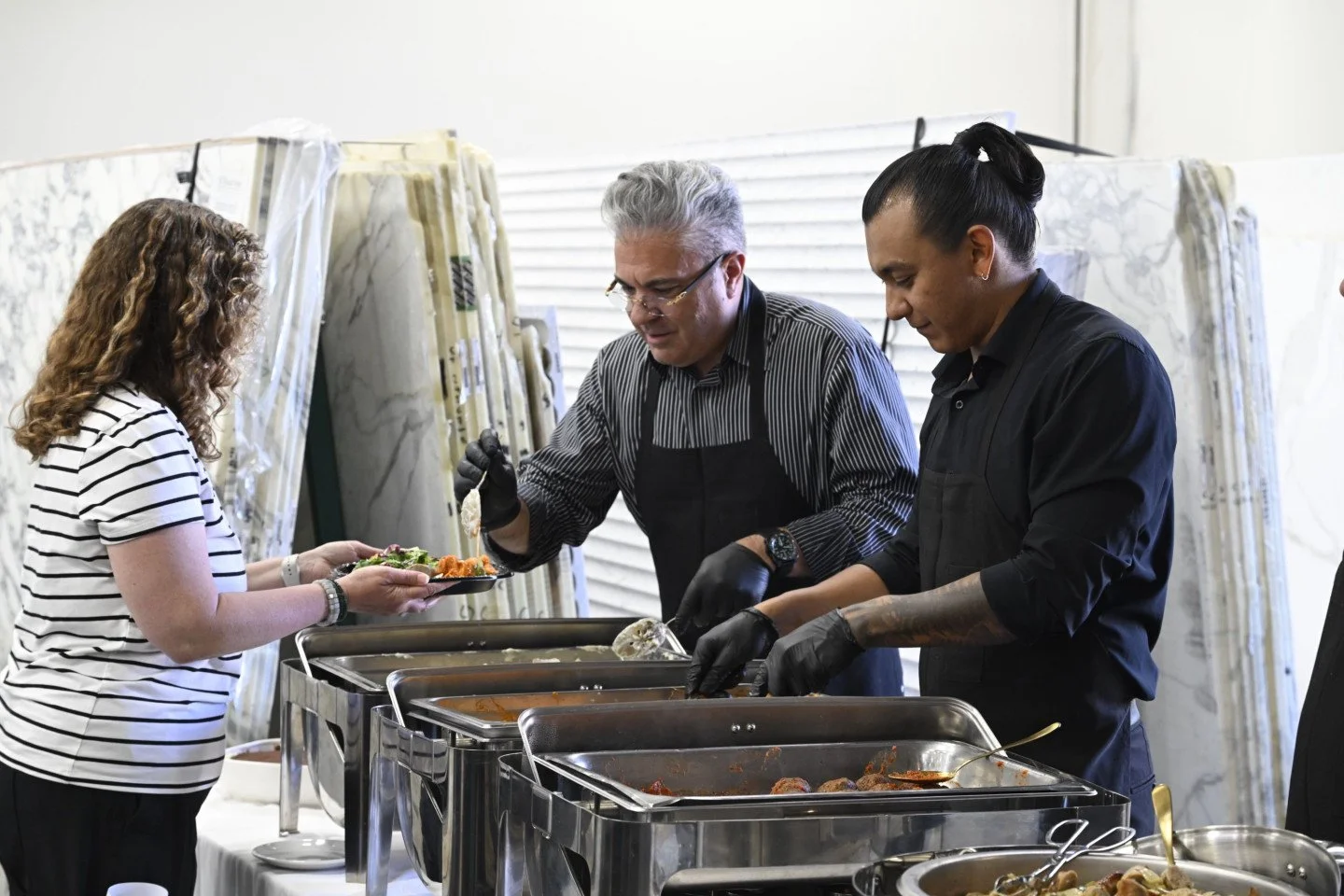
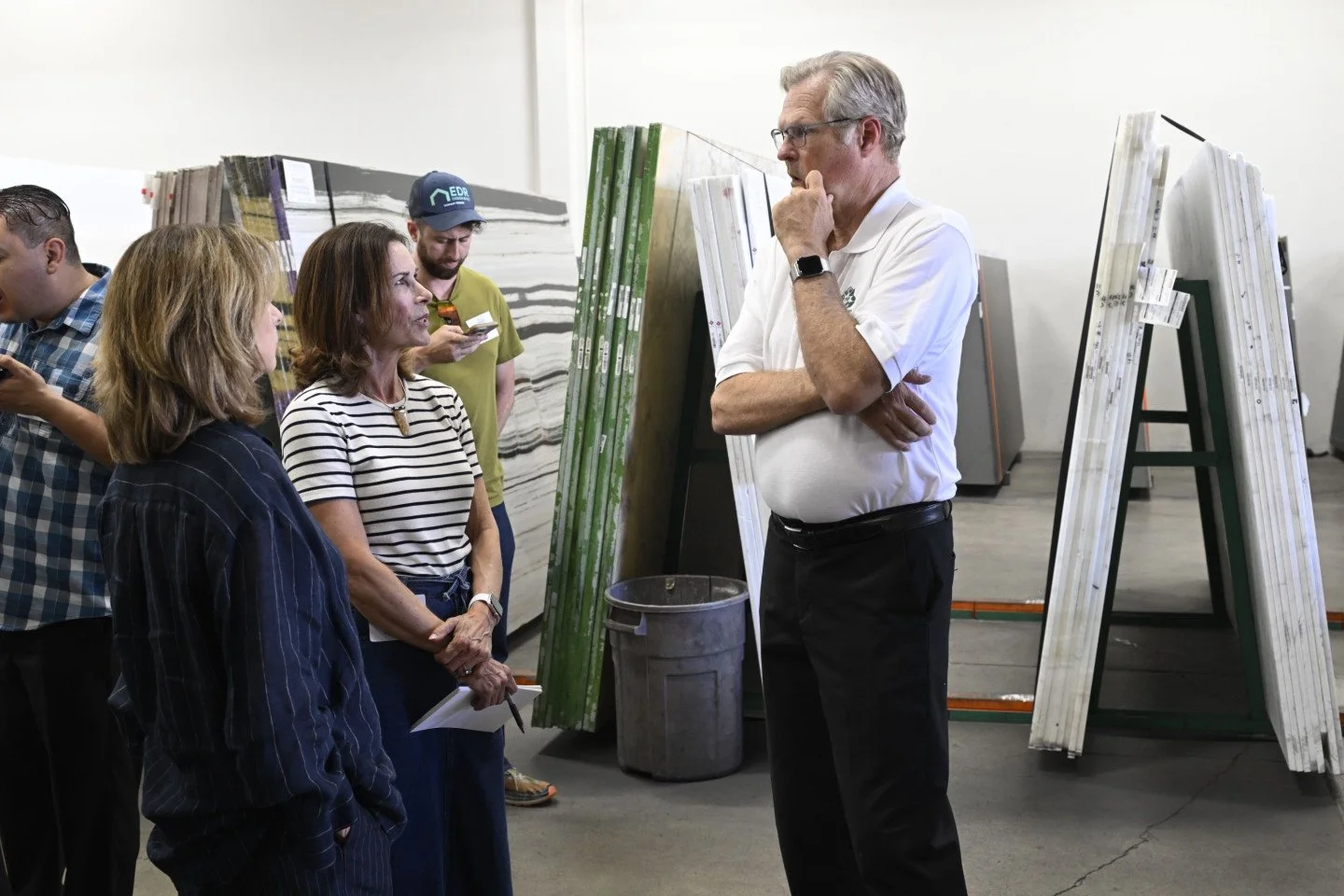
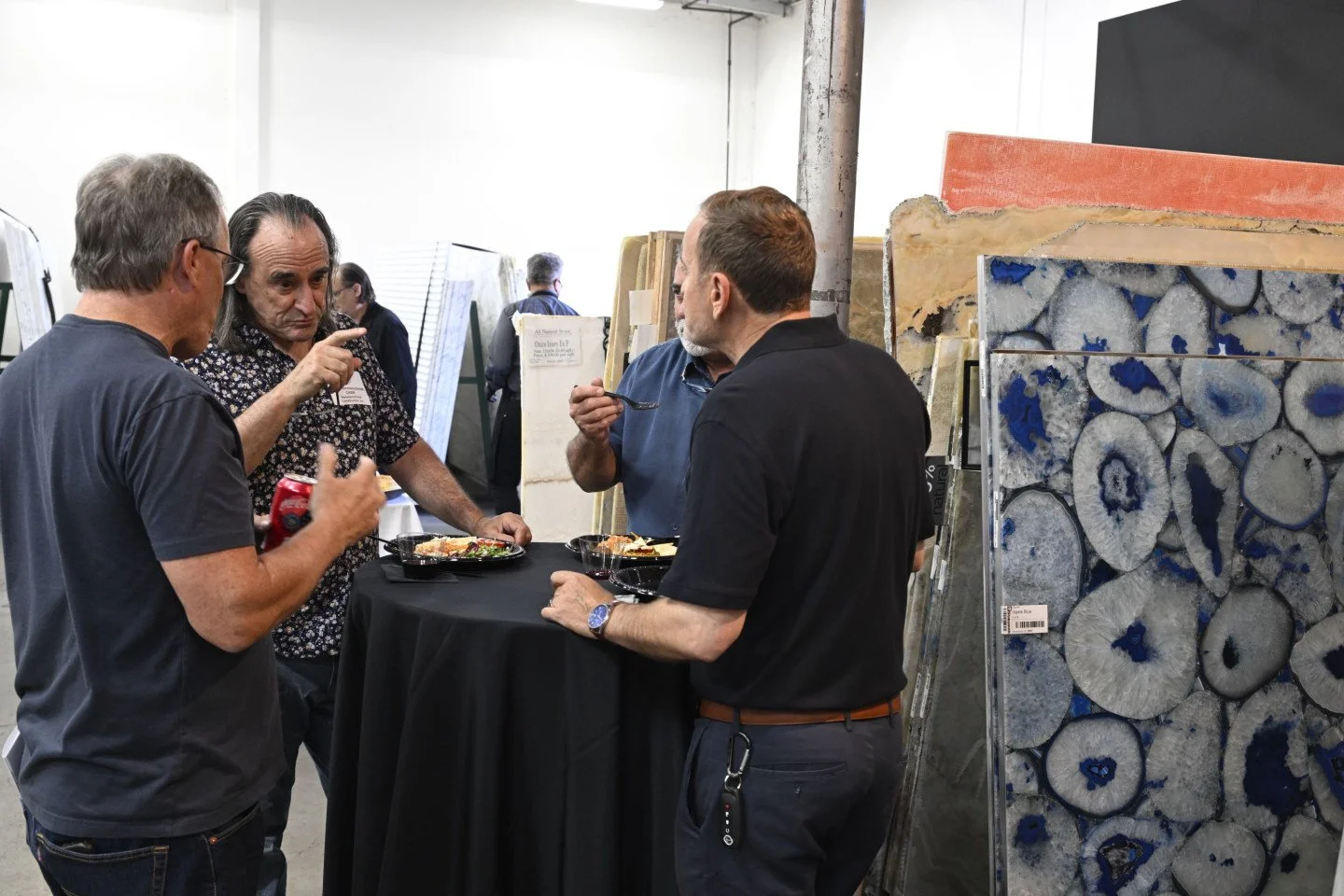
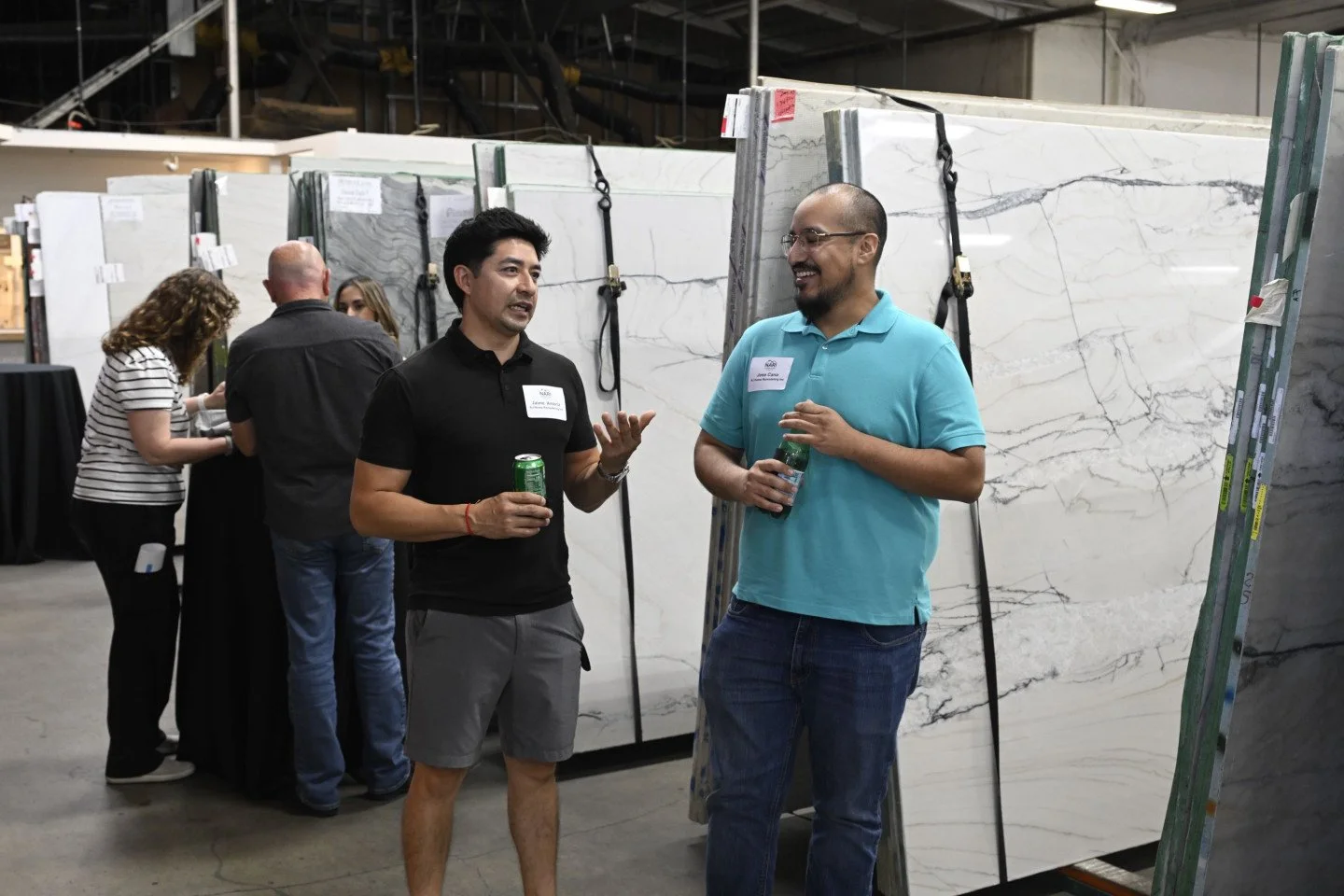
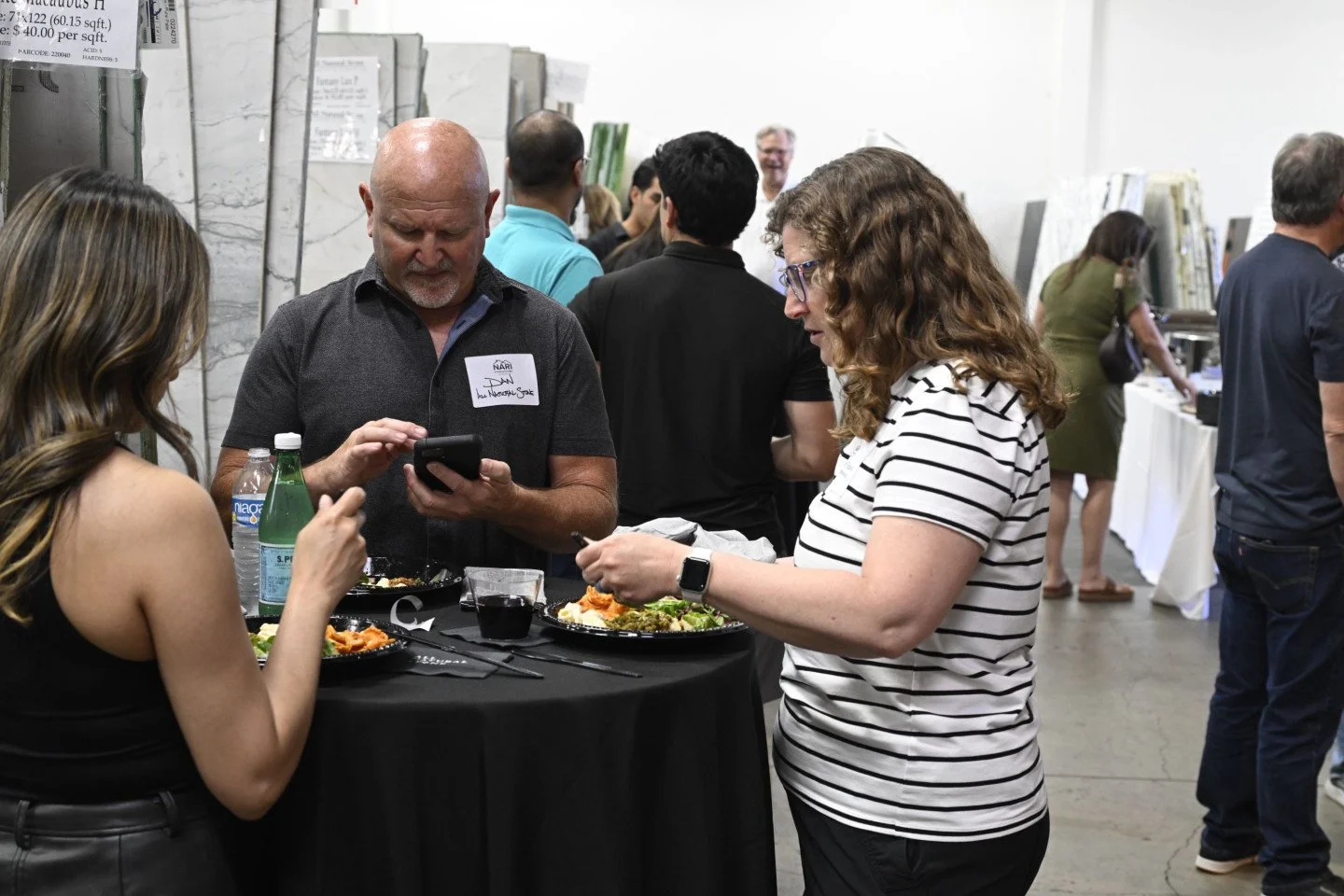
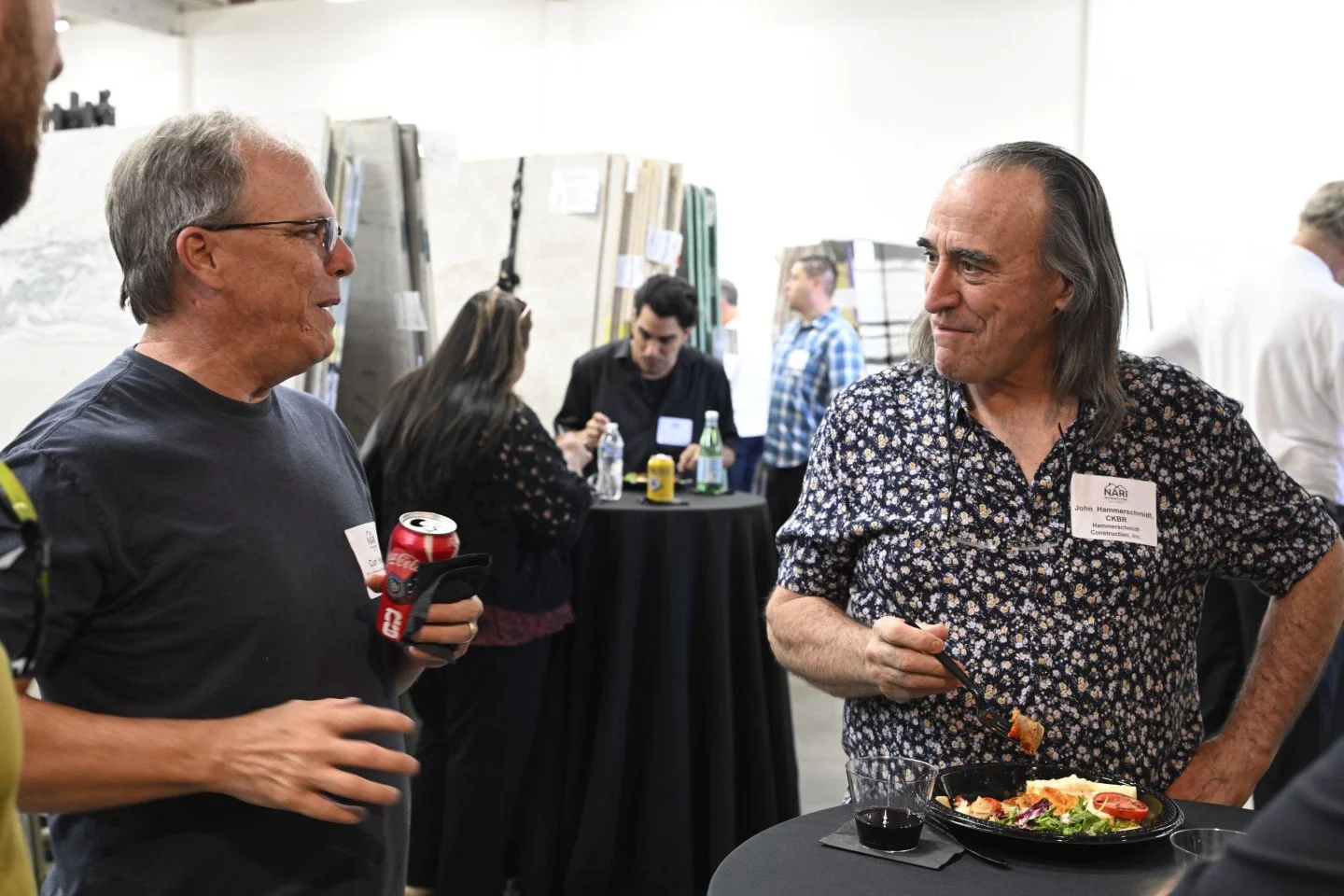
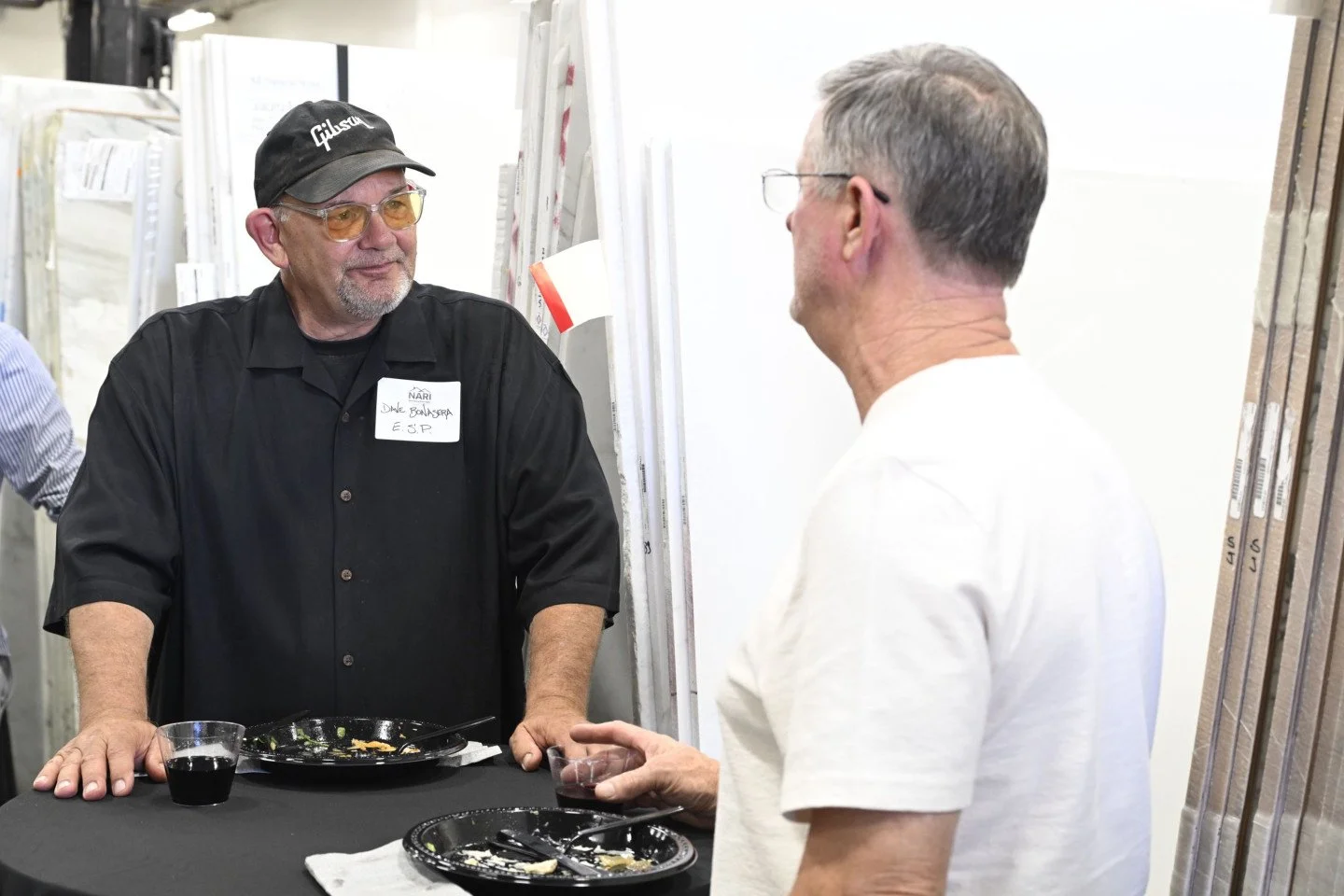
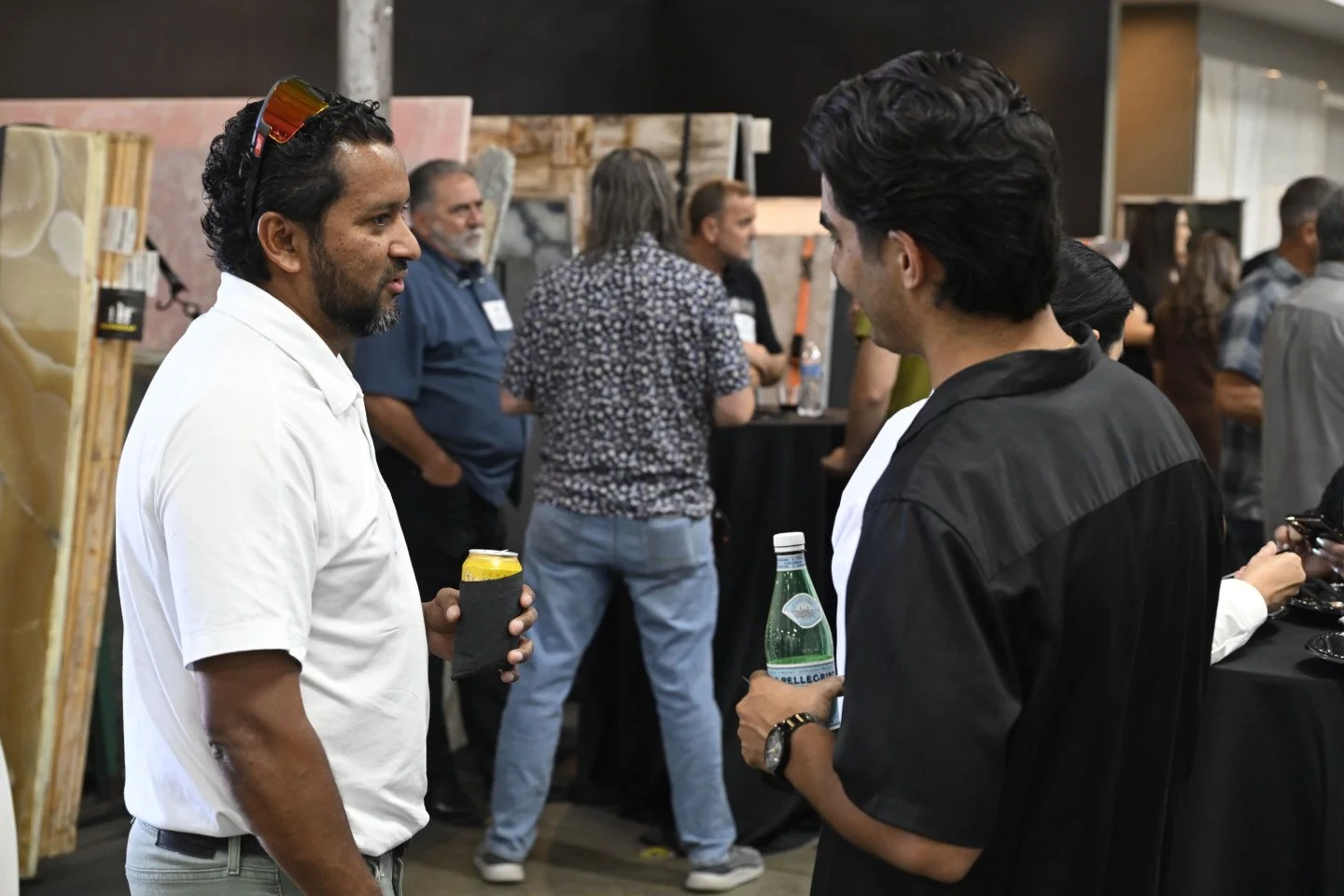
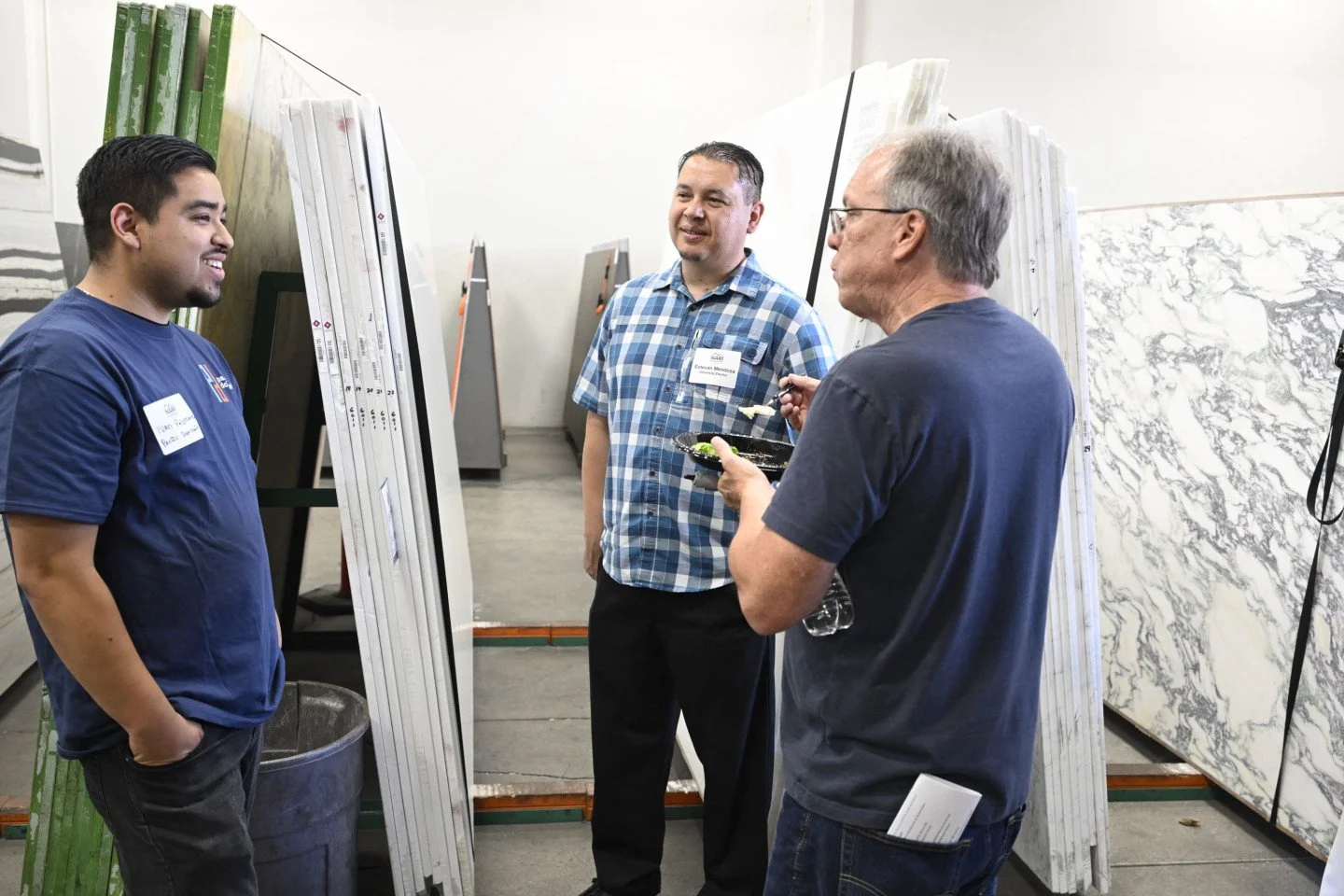
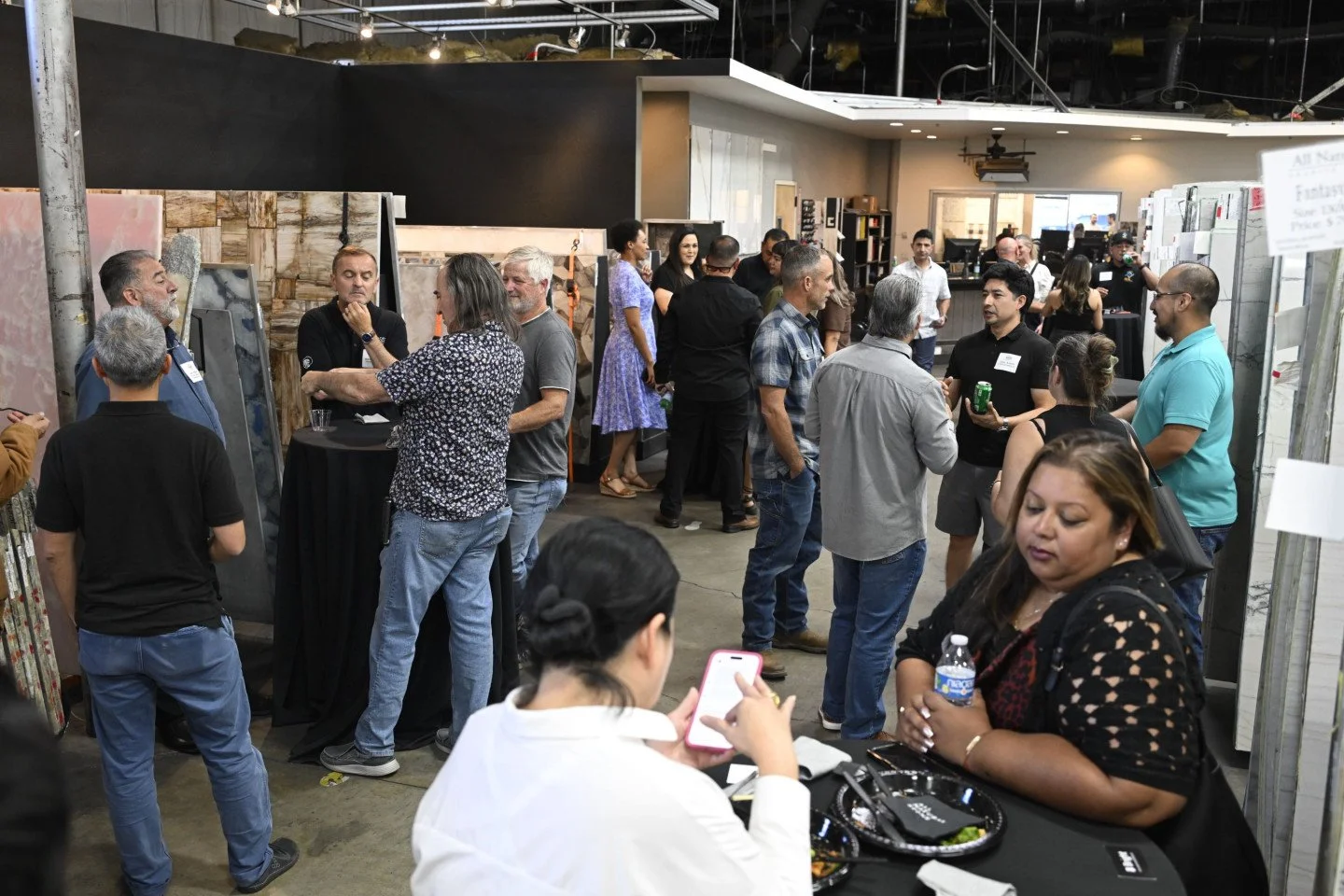
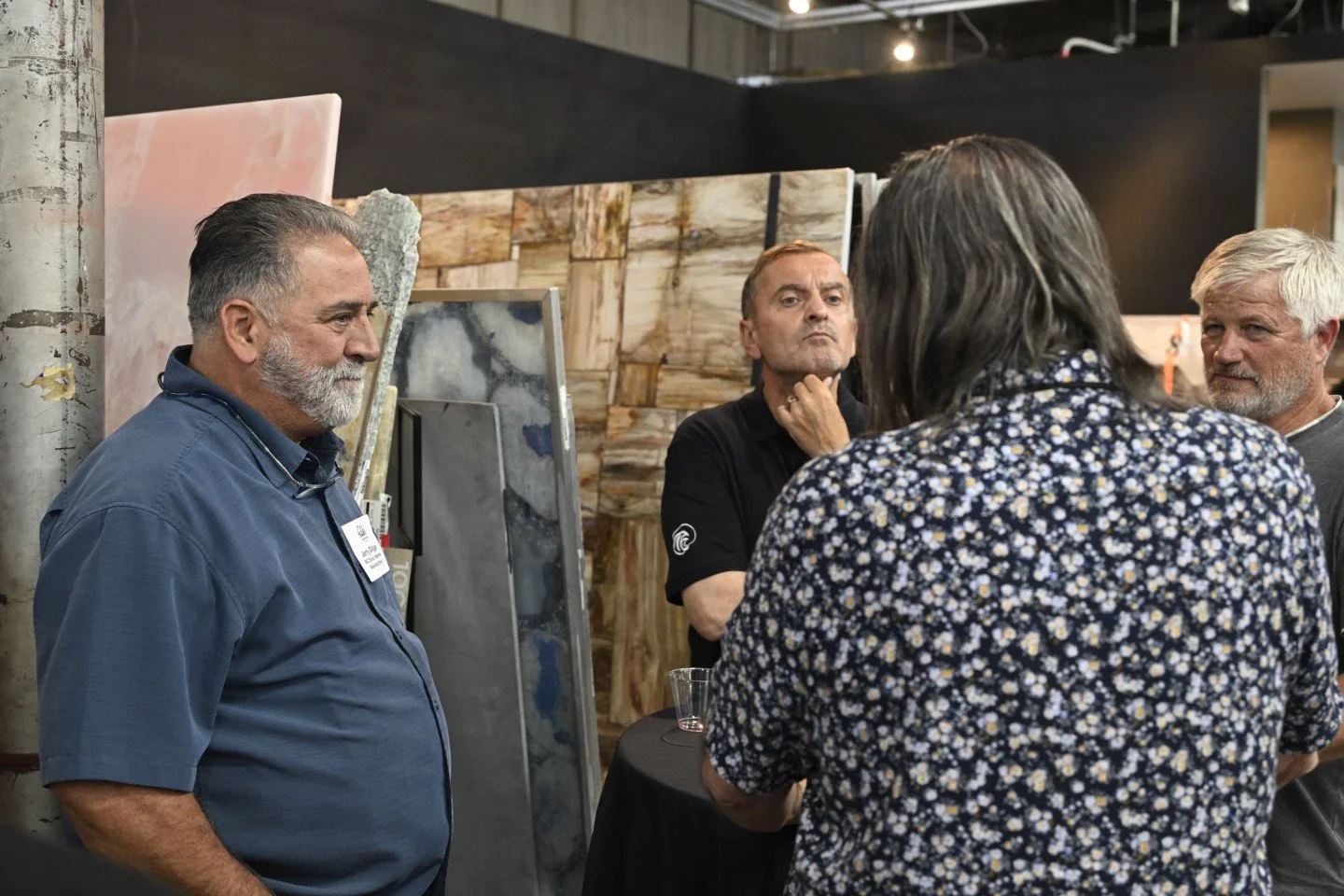
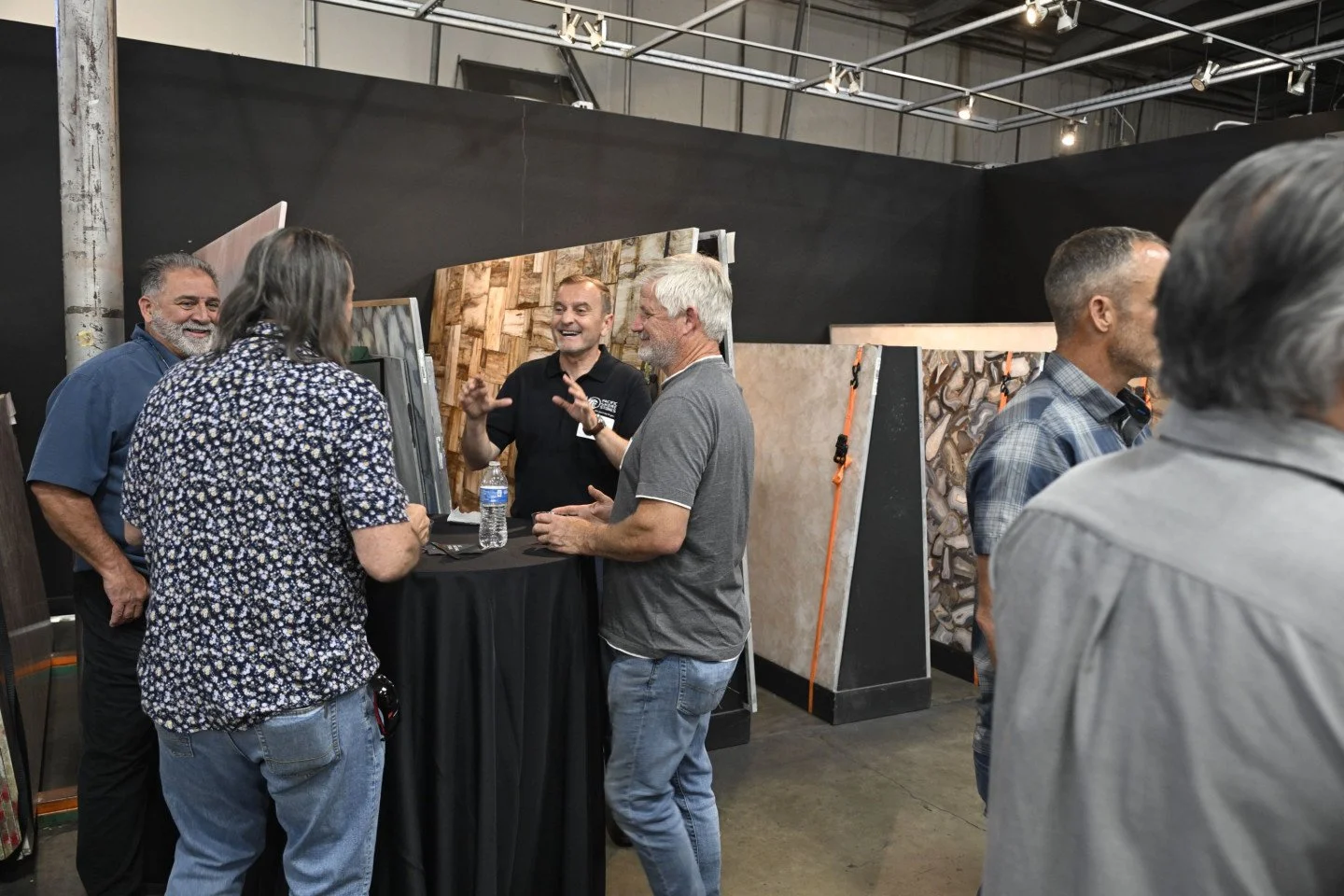
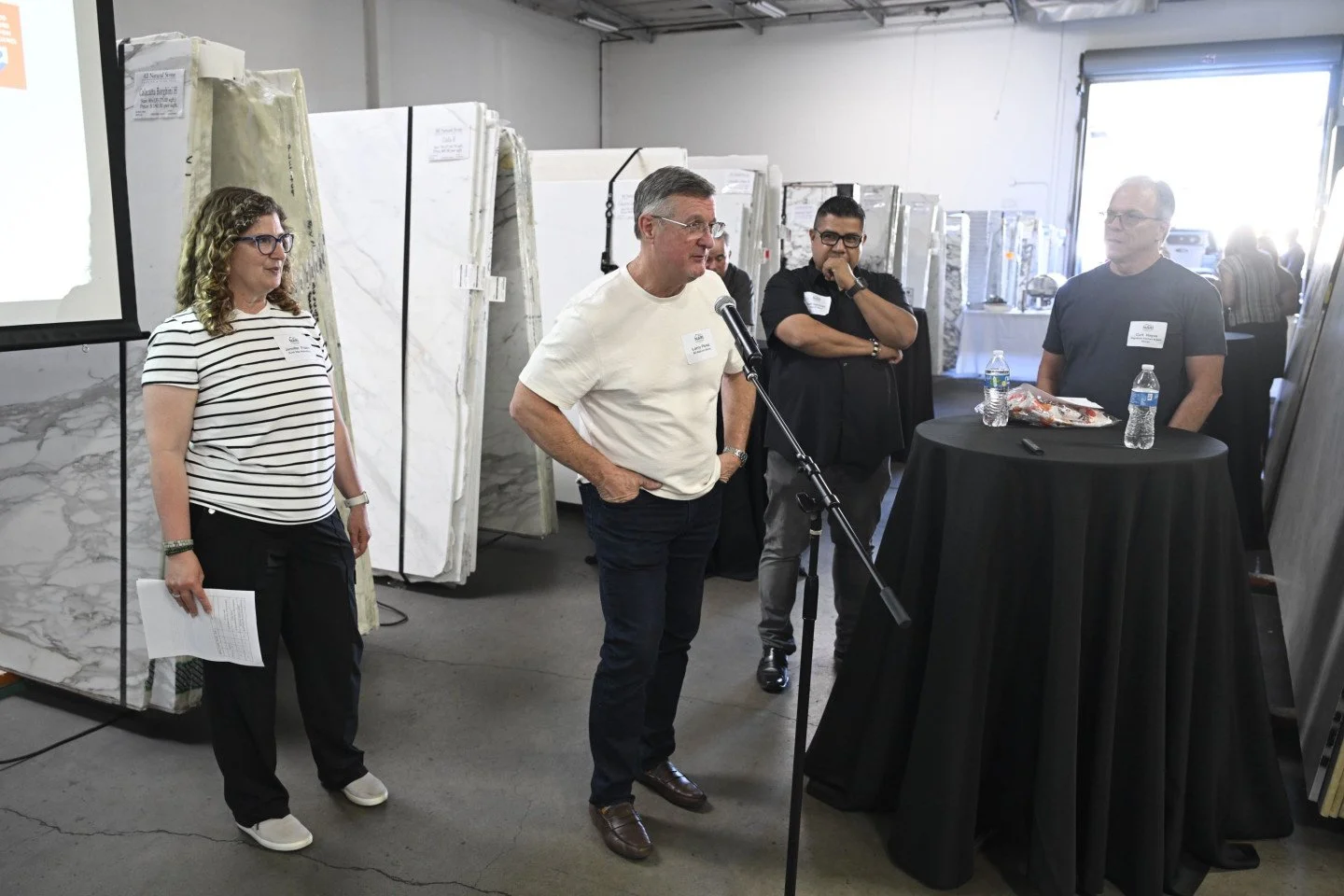
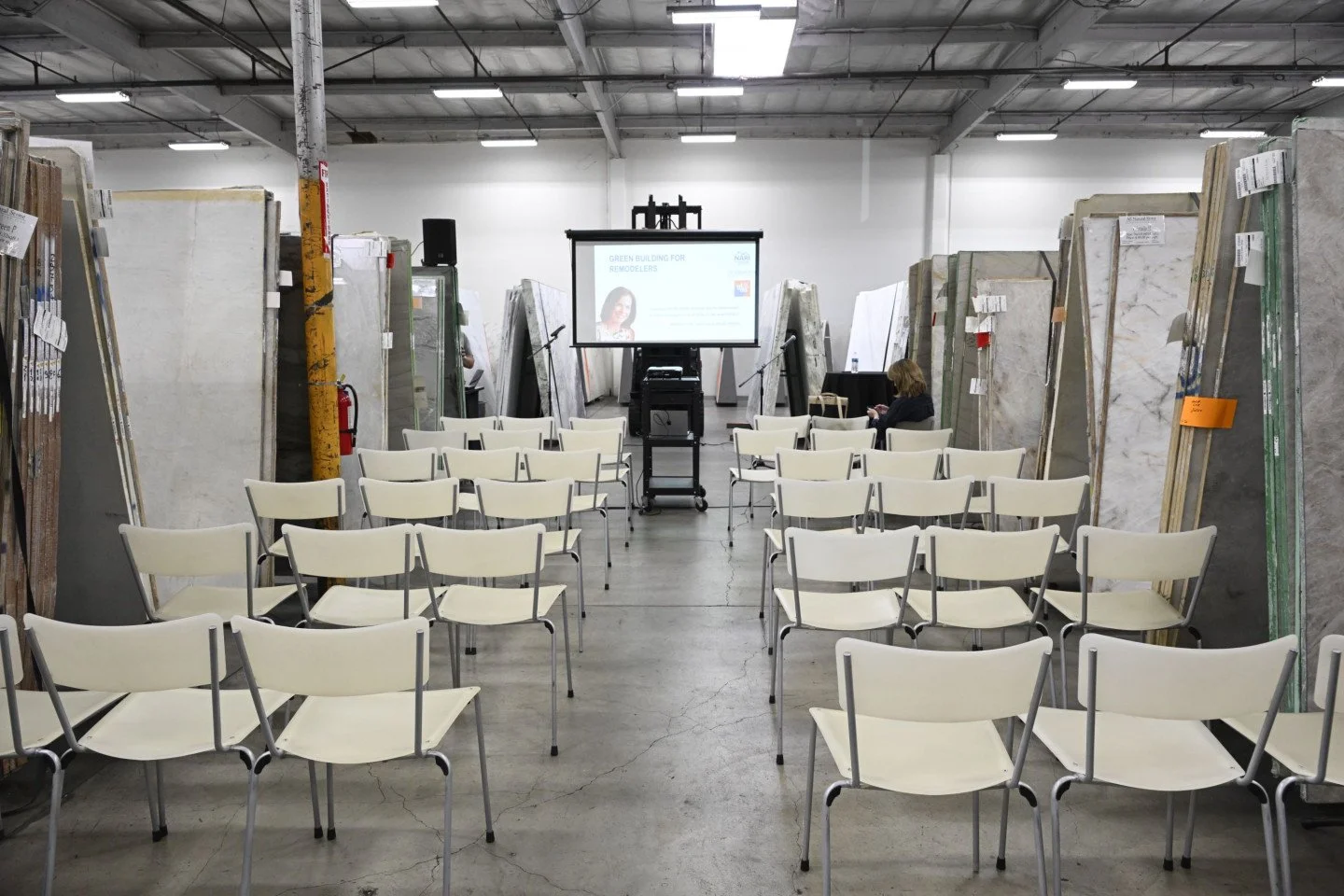
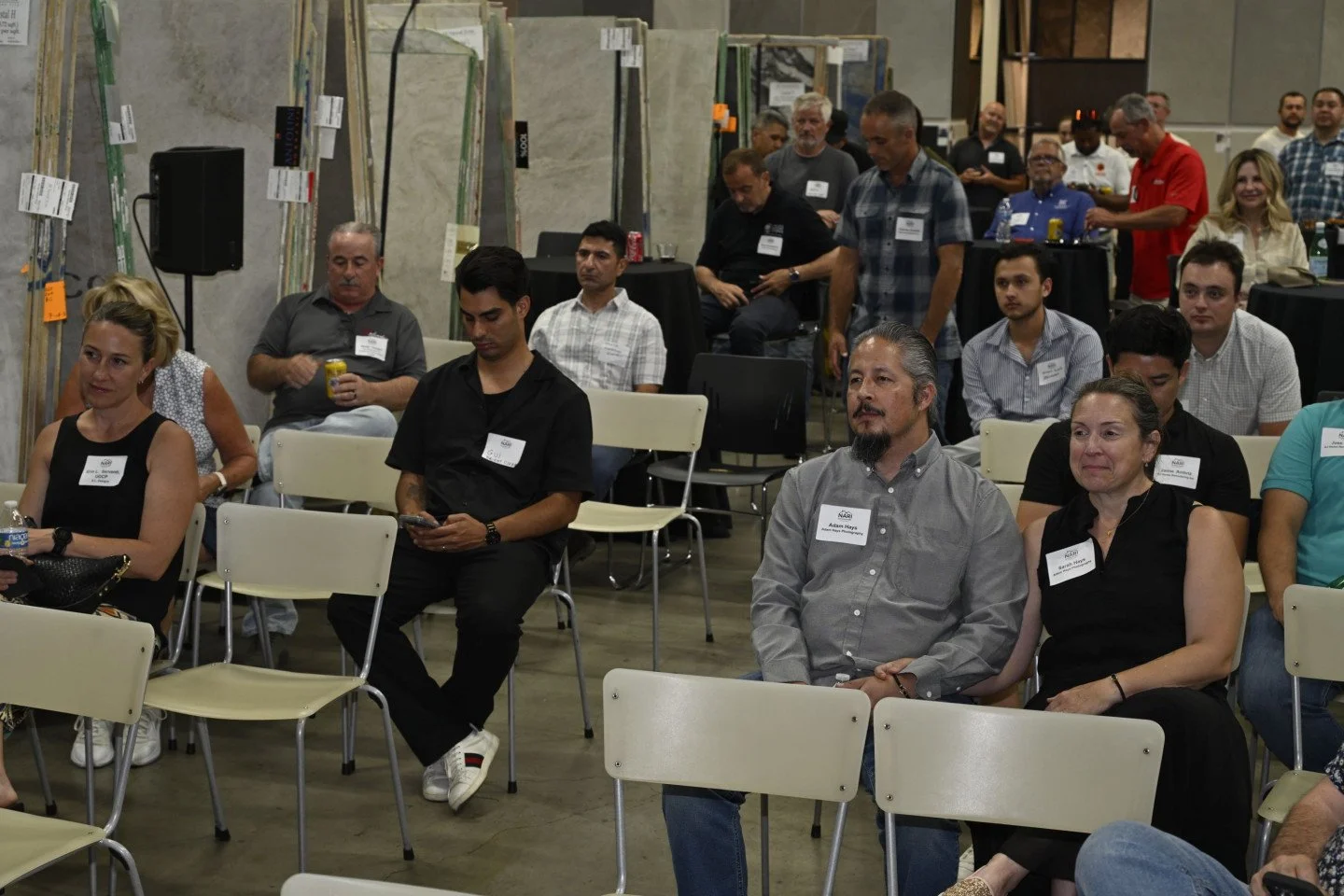
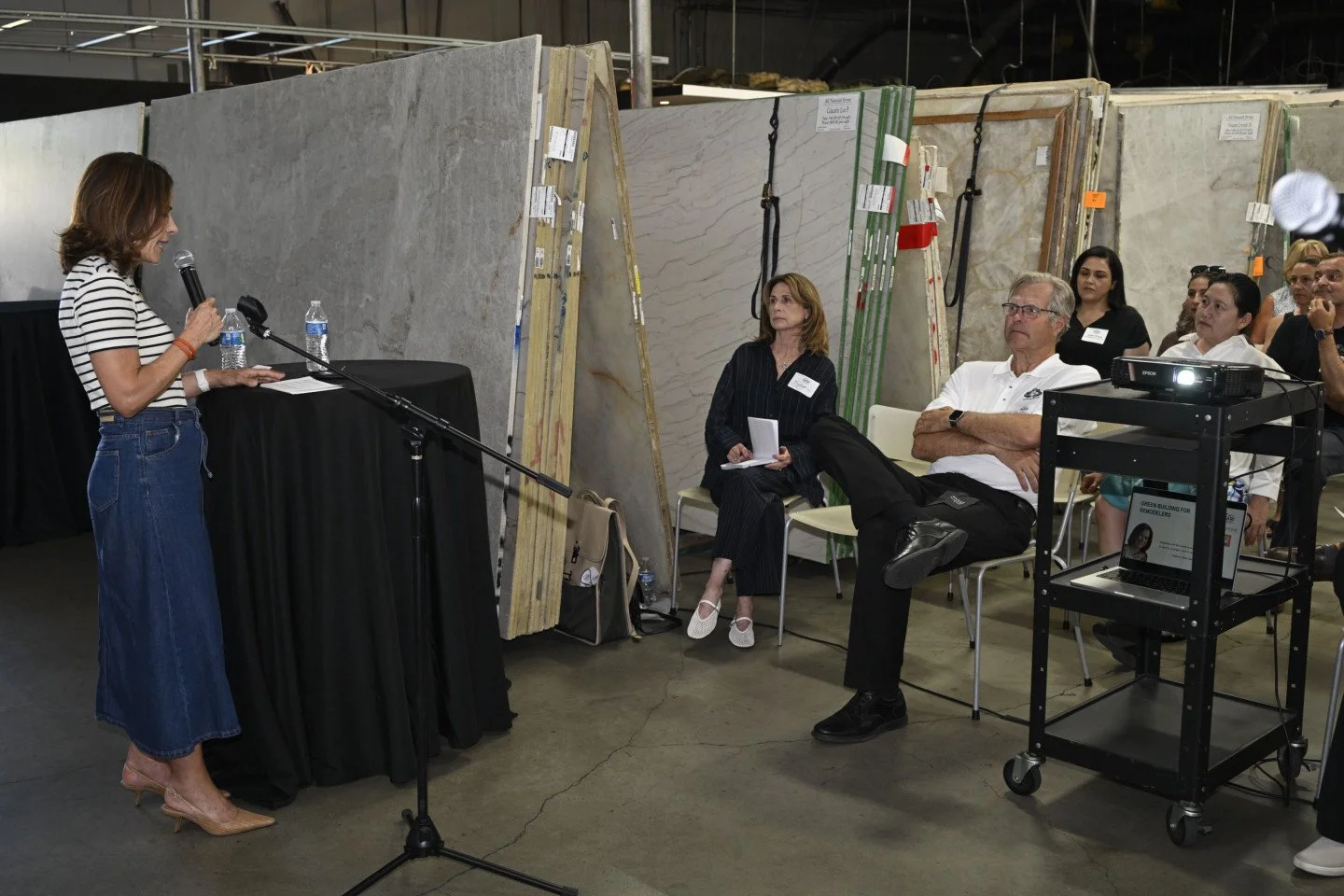
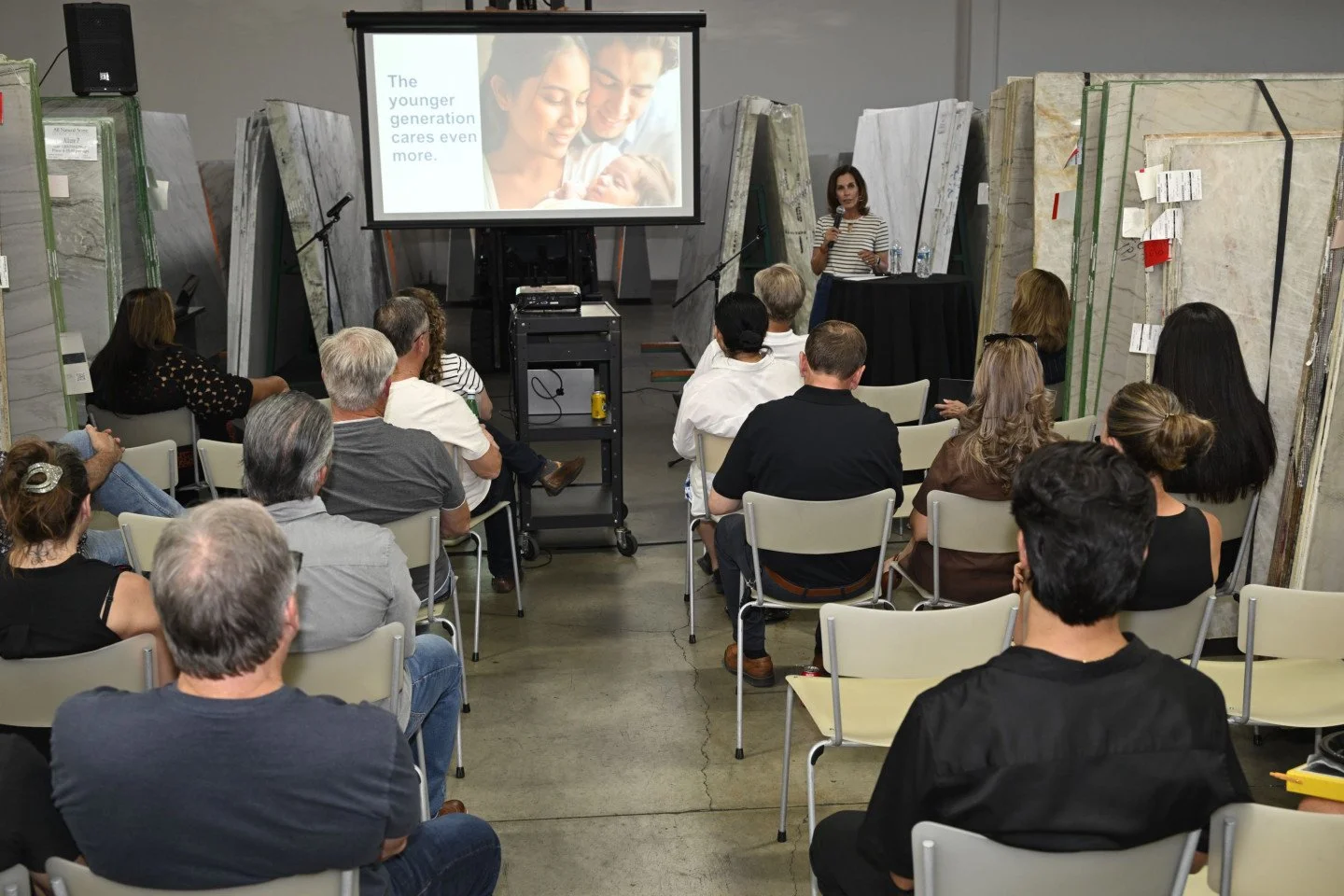
Recently, All Natural Stone's San Jose showroom welcomed members of the National Association of the Remodeling Industry (NARI) and theGood Future Design Alliance (GFDA) for an engaging workshop exploring one of the industry's most important conversations: how to build more sustainably without sacrificing great design. The workshop was presented by GFDA Executive Director, Kathryn Soter. Throughout the session, Soter emphasized that building more sustainably doesn't require perfection—it begins with a mindset shift and early collaboration among everyone involved in a project.
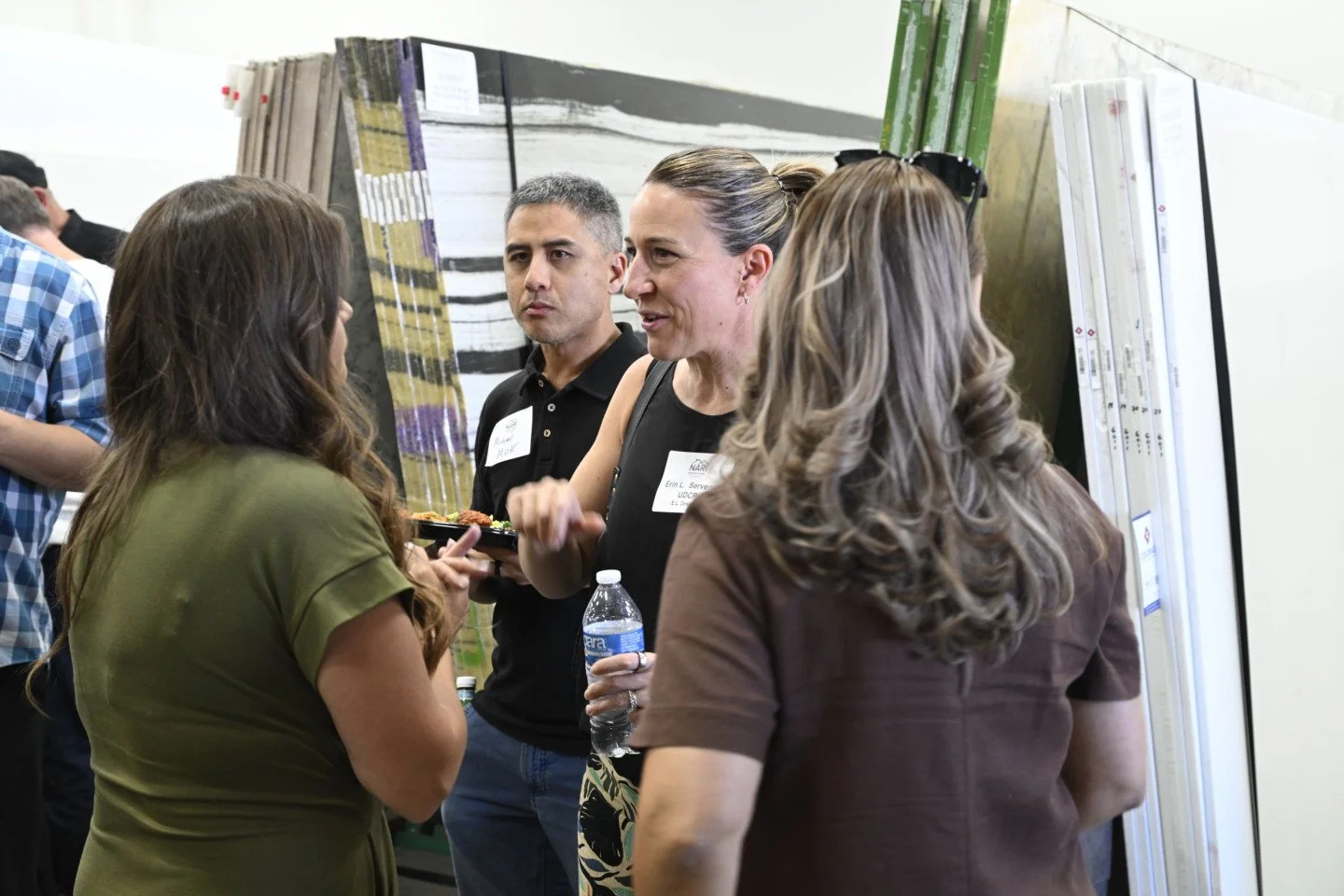
Bringing together designers, architects, builders, remodelers, and product manufacturers, the workshop introduced practical strategies that professionals can begin implementing today to reduce environmental impact while delivering exceptional projects. Participants also explored GFDA's Low Impact Framework—a practical approach to lowering carbon, reducing waste, and creating healthier homes.
Why Sustainable Construction Matters
The numbers are impossible to ignore.
The built environment is responsible for approximately:
40% of global carbon emissions
23% of construction and demolition waste nationwide
Growing concerns about toxic chemicals and microplastic in our air, water and homes
Every renovation, remodel, and new construction project presents an opportunity to lower carbon emissions, reduce waste, and create healthier indoor environments.
Just as importantly, consumer expectations are changing.
Today's homeowners, particularly younger generations, are placing greater value on healthier materials, responsible sourcing, energy efficiency, and more sustainable building practices. Increasingly, clients are asking thoughtful questions about the products used in their homes and looking to their design and construction teams for guidance.
Sustainability Doesn't Have to Be Complicated
One of Soter’s central messages was that sustainability doesn't require perfection.
Instead, it begins with a mindset shift—asking better questions, having better conversations, and making more intentional decisions.
As Soter explained, the goal isn't for every designer or contractor to become an environmental expert. It’s about understanding where practical decisions around materials, planning, and collaboration can make the greatest impact.
GFDA’s Low Impact Framework
The Good Future Design Alliance’s Low Impact Framework focuses on three practical areas where design and construction professionals can reduce environmental impact while creating healthier, longer-lasting homes.
1. Low Carbon
Lowering a project’s carbon footprint begins long before a home is occupied.
Every material carries embodied carbon—the energy required to extract, manufacture, transport, and install it. Understanding embodied carbon helps project teams make more informed decisions about what to keep, what to replace, and which materials to specify.
Simple strategies include:
Selecting durable, long-lasting materials
Choosing products manufactured with lower environmental impact
Improving energy efficiency
Reusing existing materials whenever possible
Natural stone, porcelain, and other durable finish materials play an important role in creating spaces designed to last for decades rather than requiring frequent replacement.
2. Low Waste
Construction and renovation projects generate an enormous amount of waste,but much of it is preventable. According to Soter, reducing waste begins with a mindset shift—seeing an existing building not as debris waiting to be demolished, but as a valuable collection of materials that can often be reused, repurposed, or salvaged.
Practical strategies include:
Thoughtful material selection
Accurate ordering
Early collaboration between designers, builders, and suppliers
Prioritizing deconstruction and material reuse whenever feasible
Early collaboration among designers, builders, suppliers, and homeowners helps prevent costly mistakes, reduce waste, and identify opportunities for material reuse before demolition begins.
3. Low Toxins
Healthier homes begin with healthier material choices. M Soter encouraged participants to think beyond aesthetics and performance by considering how building products affect indoor air quality, occupant health, and long-term environmental impact.
Design professionals are increasingly considering the impact of:
VOCs
Microplastics
Forever chemicals
Indoor air quality
As homeowners become more informed, material transparency is becoming an essential part of the design conversation. Understanding product ingredients and selecting healthier alternatives can improve indoor air quality while reducing exposure to chemicals of concern.
From Demolition to Deconstruction
One of the workshop's most compelling discussions centered on changing a single word:
According to Soter, one of the simplest mindset shifts in industry can make is replacing the word demolition with deconstruction.
Instead of sending reusable materials to landfills, deconstruction carefully dismantles buildings so cabinetry, doors, lighting, plumbing fixtures, flooring, and other materials can be salvaged for reuse.
The benefits include:
Less landfill waste
Reduced embodied carbon
Tax deductions for donated materials
Supporting local reuse organizations while giving quality materials a second life in someone else’s home
Keeping valuable building materials in circulation and advancing a more circular economy
While deconstruction requires more planning than traditional demolition, Soter emphasized that early collaboration among homeowners, designers, builders and deconstruction teams, often uncovers opportunities that benefit both the project and the environment. The result is less waste, lower embodied carbon, and more materials kept in use rather than sent to landfills.
Collaboration Is the Foundation of Sustainable Design
Throughout the workshop, one theme surfaced again and again: sustainable projects are collaborative projects.
It requires collaboration.
Architects.
Interior designers.
Builders.
Suppliers.
Fabricators.
Homeowners.
Every project partner influences a project's environmental impact, and better outcomes begin with those conversations that start early.
When everyone works toward shared goals from the outset, projects are more efficient, waste is reduced, healthier material choices are easier to make, and clients ultimately receive better long-term value. Looking Ahead
As homeowner expectations evolve and the building industry continues to adapt, practical education will play an increasingly important role in helping professionals navigate the shift toward more sustainable, healthier, and circular building practices.
By bringing together designers, builders, manufacturers and industry experts, All Natural STone is helping advance the conversations—and the collaboration—needed to build better projects.
Together, we can create spaces that are not only beautiful, but healthier, more resilient and t built to last.
Join the Conversation
Whether you're planning a renovation, specifying materials for a client, or exploring healthier, more sustainable ways to build, our team is here to help.
Visit one of All Natural Stone's Bay Area showrooms to discover thoughtfully sourced natural stone, designer tile, and porcelain surfaces that combine lasting beauty with exceptional performance.
Your Vision, Materialized.