
Going Green in 2025: The Color, The Movement, The Future of Design
Green is more than just the color of the moment—it’s the ethos of modern design. As deep emeralds, soft sages, and verdant hues make their way onto walls, cabinetry, and stone surfaces, there’s a parallel shift happening beneath the surface. Homeowners and designers are embracing green in every sense of the word, prioritizing sustainable materials, eco-friendly production, and biophilic design principles. This dual meaning of ‘going green’—through both color and conscious choices—is shaping the most forward-thinking interiors of 2025.
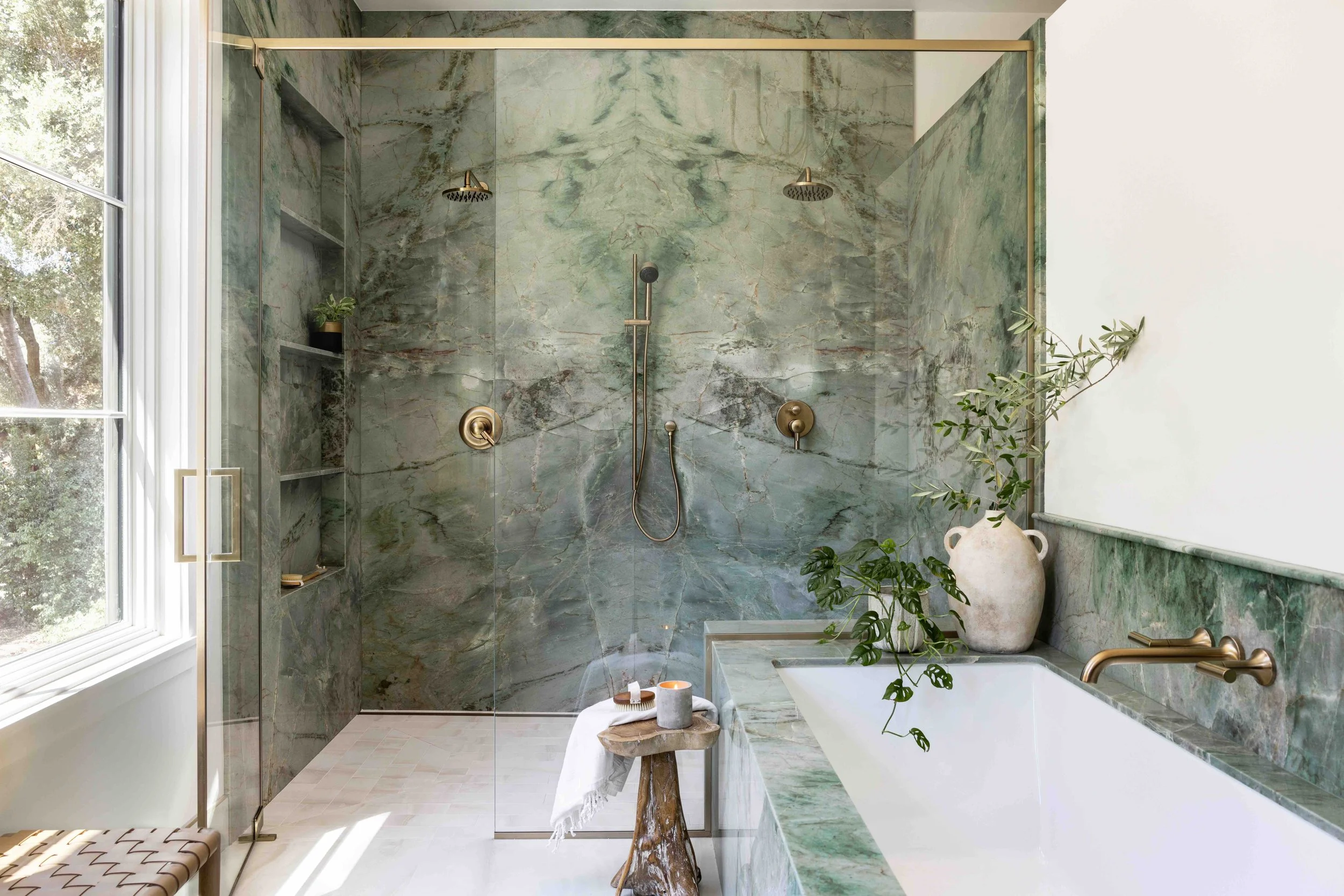
Bookmatched J’adore Quartzite from All Natural Stone
Interior Design: C&C Design
Photography: Vivian Johnson Photography
The Color Green: Aesthetic Trends in 2025
From rich forest greens to soft, earthy tones, green is dominating interior palettes in 2025. It’s a color that feels grounding yet sophisticated, offering depth and versatility across a variety of materials. Whether used in statement walls, cabinetry, or textiles, green exudes a sense of calm and connection to nature, two qualities at the heart of today’s design philosophy.
Green Stone Takes Center Stage
Green natural stone has long been synonymous with luxury and prestige, from the opulent Verde Antico of ancient Roman villas to the deep green serpentinite that adorned Renaissance palaces. Today we’re seeing designers embracing the spectrum of green. Timeless classics like Verde Alpi marble are reemerging, while softer hues such as Costa Esmeralda granite and Acqua Mare quartzite offer a refined, tranquil elegance for countertops, vanities, and statement walls. For those seeking bold, dramatic surfaces, Avocatus, Tiffany Cristallo, and Verde Fantastico quartzites captivate with their rich veining, dynamic movement, and eye-catching color variations. Whether subtle and sophisticated or vibrant and high-contrast, green stone is defining today’s most breathtaking interiors.
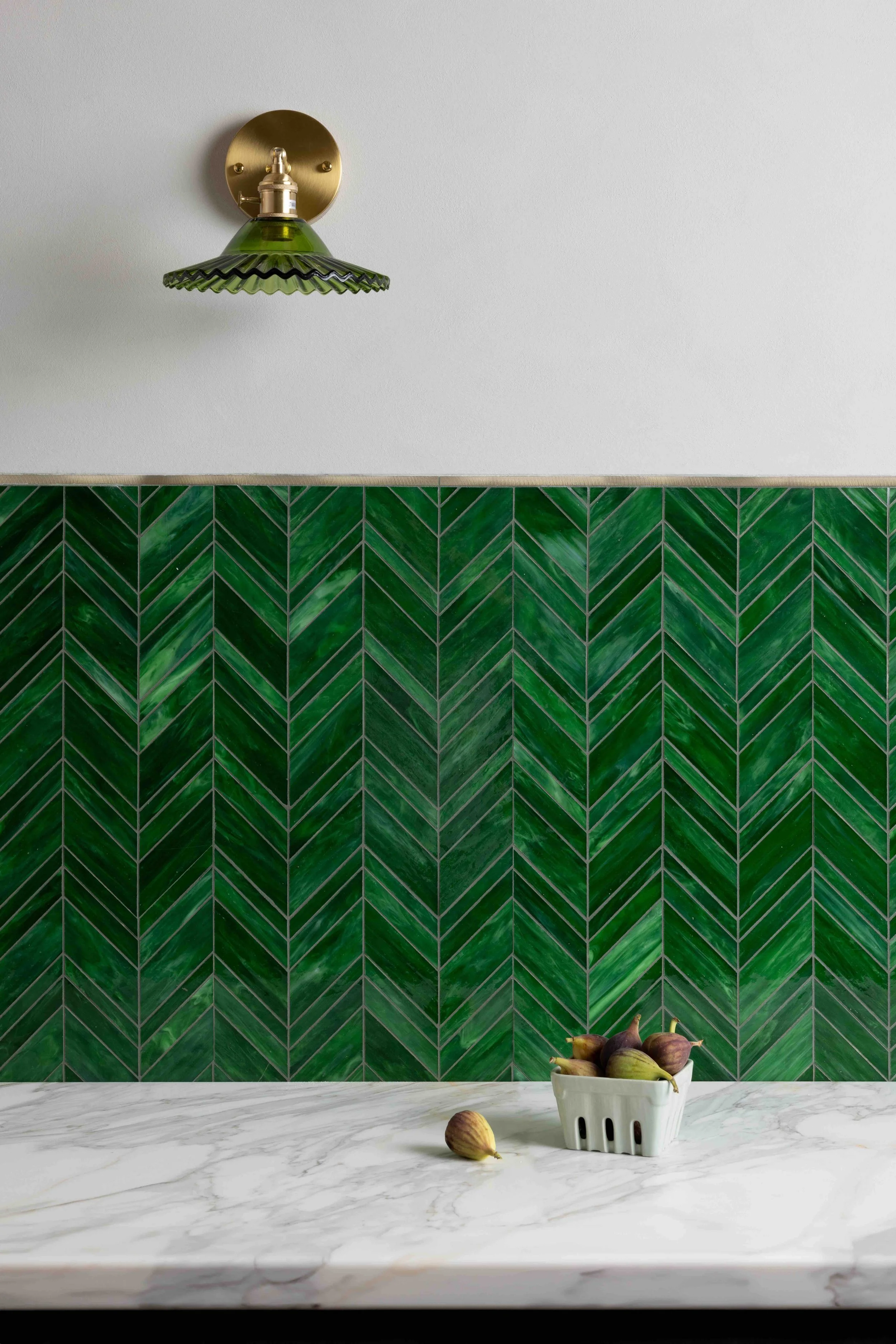
Beacon Splendor in Emerald Art Glass from Akdo
Green With Envy for Green Tile
Tile is embracing green in fresh and unexpected ways, with a range of shades, textures, and finishes redefining interior spaces. Deep emerald and olive green bring a sense of drama and elegance, while muted sage and mossy hues create a calming, organic atmosphere. Textured surfaces, such as handcrafted zellige or dimensional relief tiles, introduce a layer of depth and play with light in striking ways. Patterns are also making a statement—geometric layouts, herringbone configurations, and intricate mosaics add visual interest, transforming green tile from a simple color choice into a bold design feature. Whether used as a statement backsplash, an expansive feature wall, or a striking floor, green tile is proving to be one of the most versatile and captivating elements in modern interiors.
Why Green is More Than Just a Color
Beyond aesthetics, green is emerging as a guiding principle in modern design. As homeowners embrace forest greens and subtle celadons in their spaces, they’re also thinking about longevity, sustainability, and eco-conscious materials. This shift toward “going green” isn’t just about trendiness, it’s about creating healthier, more thoughtful environments that stand the test of time.
The Green Movement: Sustainability & Biophilic Design
In 2025, sustainability is no longer an afterthought, it’s a necessity. Homeowners and designers are seeking materials that not only look beautiful but also align with their values. From responsibly sourced stone to high-performance porcelain alternatives, the emphasis is on durability, recyclability, and reduced environmental impact.
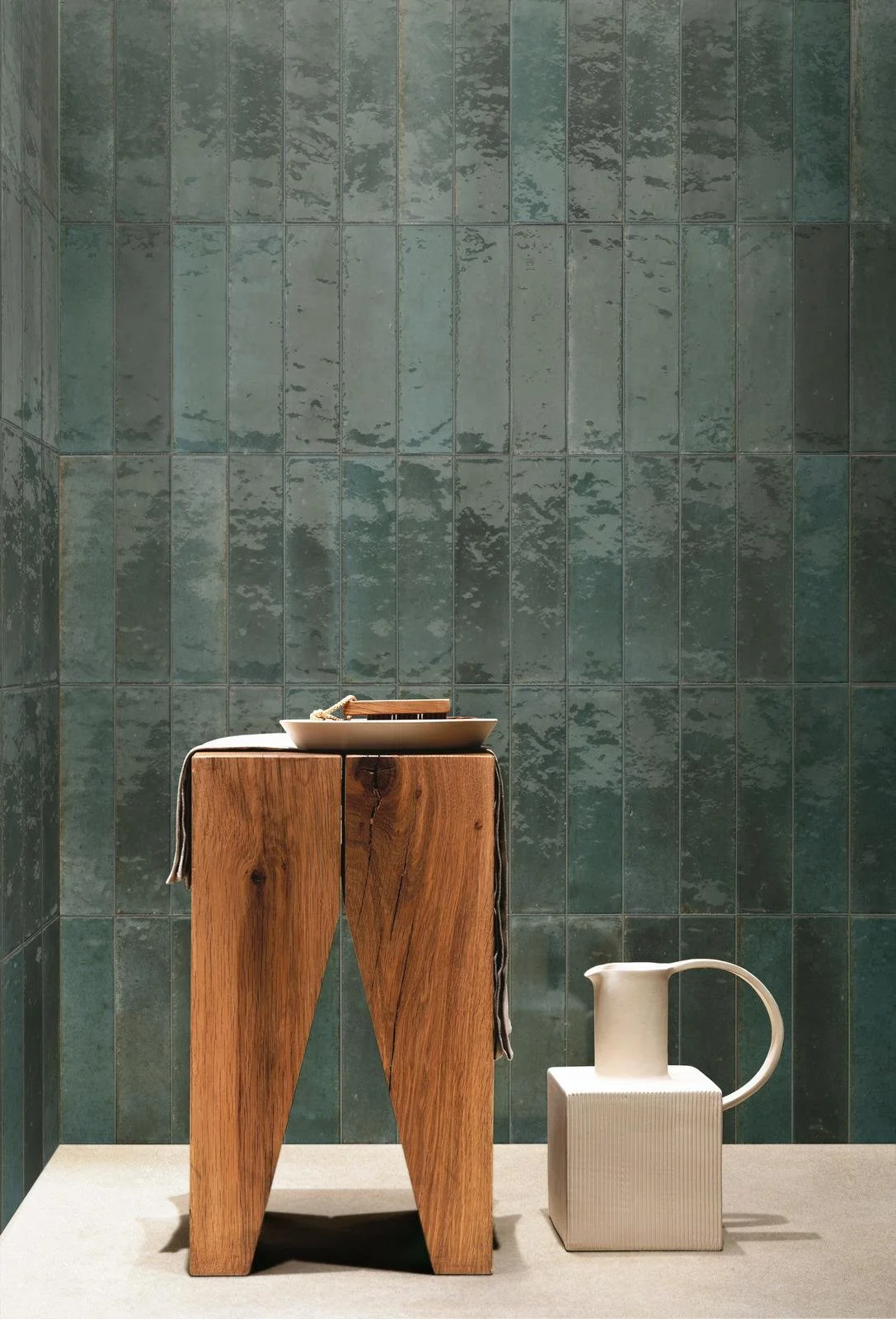
Look Collection in Avio from All Natural Stone
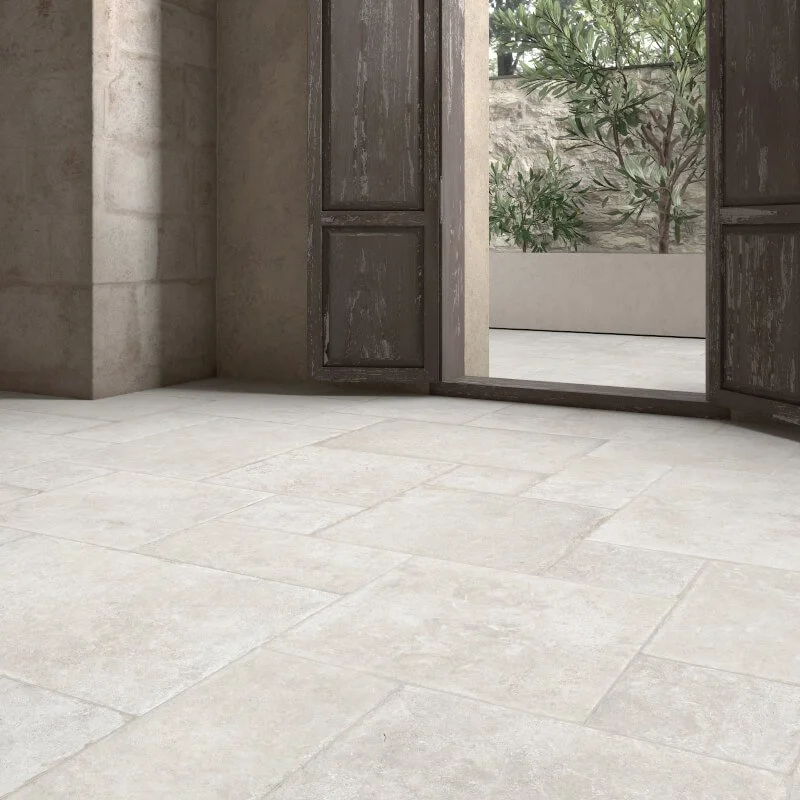
Sustainable Tile & Slab Choices
Porcelain is leading the way in sustainable design, offering a high-performance alternative to quarried stone with significantly lower environmental impact. Thanks to advanced printing technology, collections like Pierre Nueve, which replicates the buttery texture of aged limestone, and Class, which mimics the delicate veining of Avorio di Segesta marble, provide stunning, low-maintenance options for eco-conscious spaces. Meanwhile, sustainably quarried natural stones and recycled-content tiles are becoming more widely available, allowing designers to make greener choices without sacrificing beauty or quality.
Biophilic Design: Bringing the Outdoors In
Biophilic design—an approach that integrates natural elements into built environments—continues to gain traction. Green stone and tile play a crucial role in this movement, connecting interiors to the raw beauty of nature. Whether through a jade-hued quartzite island that evokes lush landscapes or an organic-patterned porcelain floor that mimics natural formations, these materials help foster a sense of well-being and harmony in the home.
The Future is Green
As we move into 2025, the definition of “green” in design is expanding. It’s a color trend, a sustainability movement, and a mindset shaping the future of interiors. Whether through dramatic, serpentine slabs, earthy toned tiles, or eco-conscious material choices, green is leading the way toward a more beautiful and responsible design landscape.
Are you ready to embrace the green revolution?
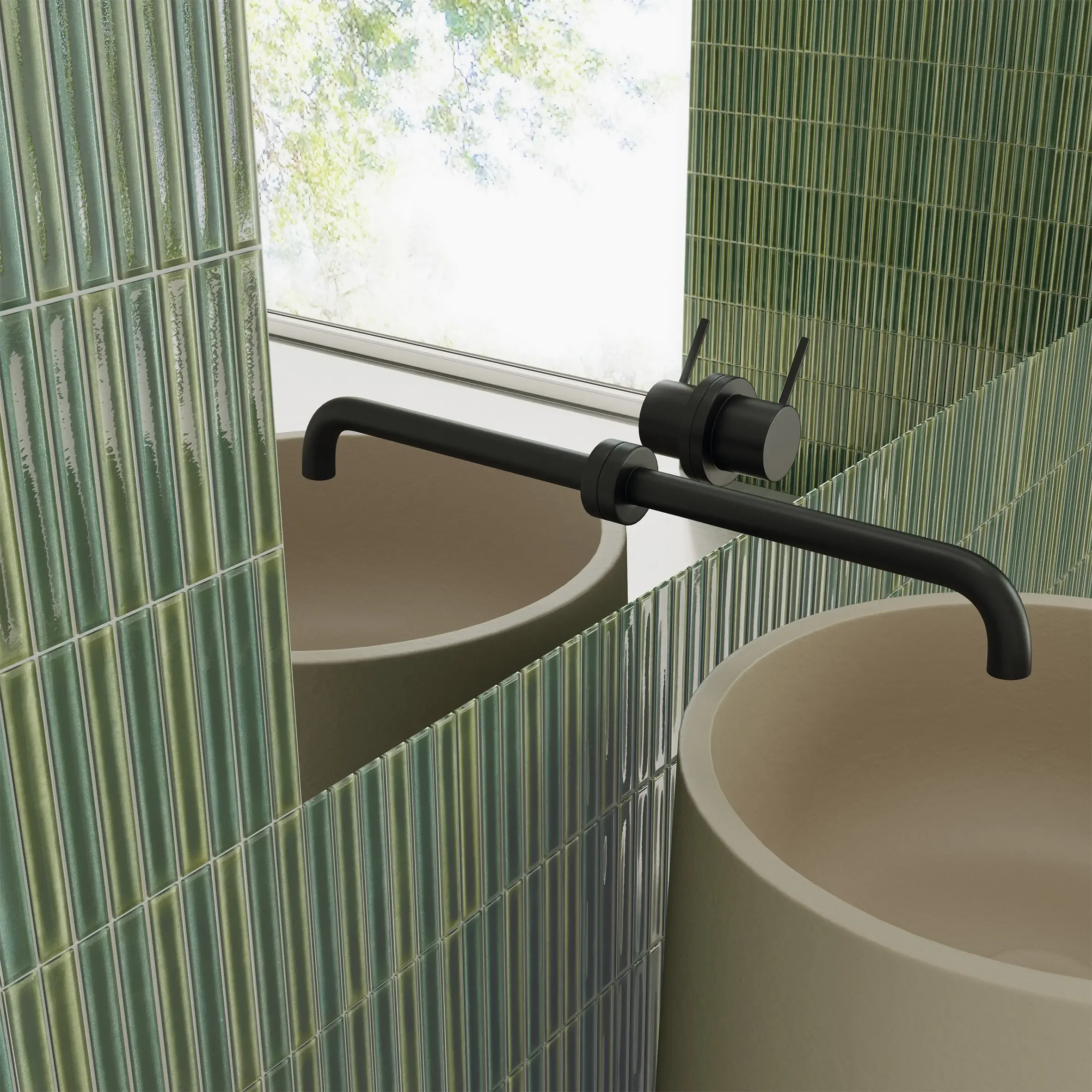
Colour Notes Collection in Fennel from Wow