
How to Measure Your Space Before Buying Stone Slabs
Choosing the right surface material can completely transform a kitchen, bathroom, or outdoor space. But before you visit a showroom or make a purchase, accurate measurements are essential. Whether you're planning new countertops, a backsplash, or a custom feature wall, understanding your dimensions ensures a smooth process when you’re ready to explore stone slabs. Proper planning helps avoid costly mistakes, delays, and material shortages.
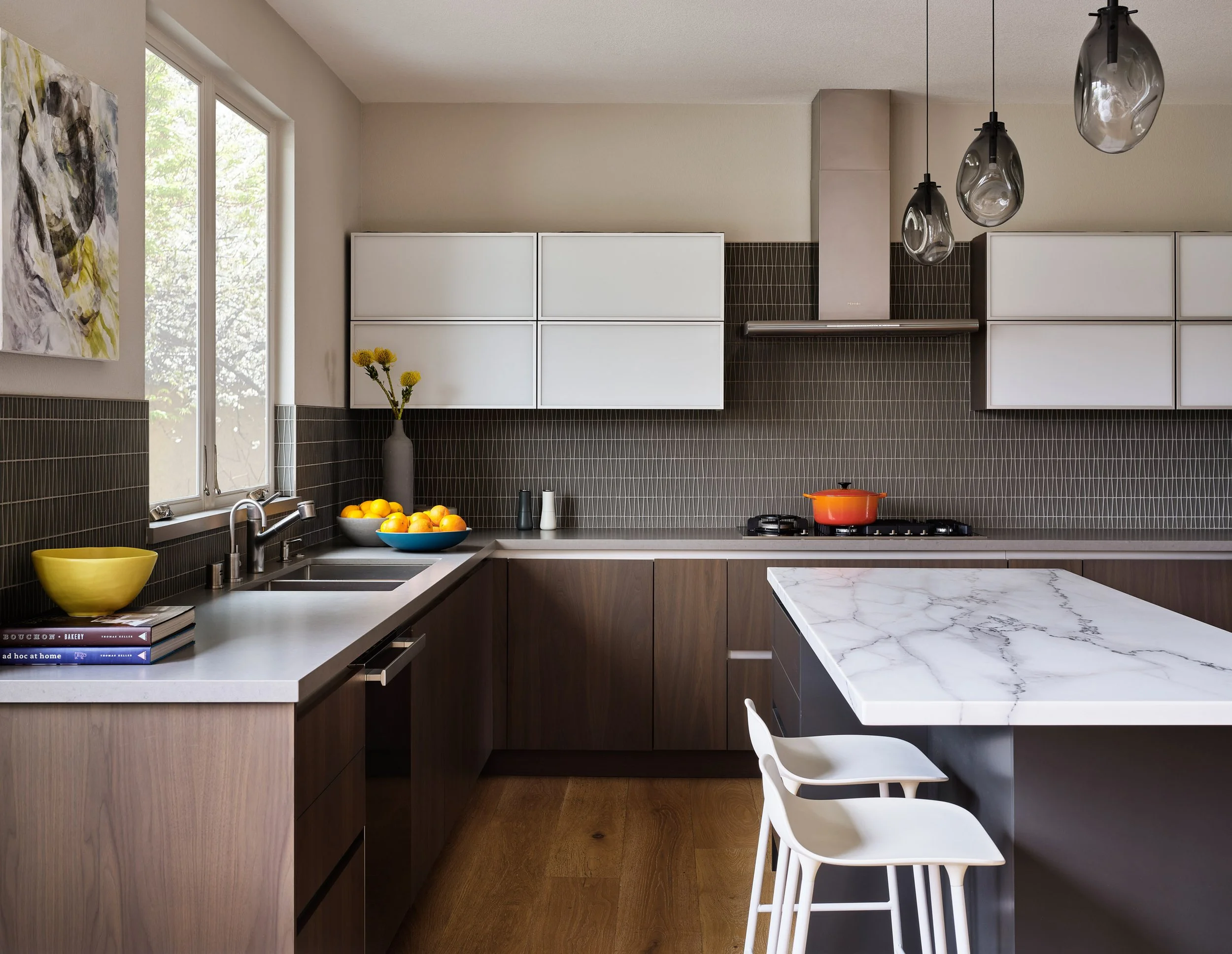
Designed by Interiors For Modern Living
Understand Your Project Area
Start by clearly identifying where the material will be installed. Is it a kitchen countertop, bathroom vanity, fireplace surround, or outdoor kitchen surface? Each area has unique measurement considerations. Take note of sinks, cooktops, faucets, and any built-in appliances that may require cutouts. If you’re upgrading an existing surface, measure the current installation, but also confirm wall straightness and corner angles, as older homes may not have perfectly square layouts.
Gather the Right Tools
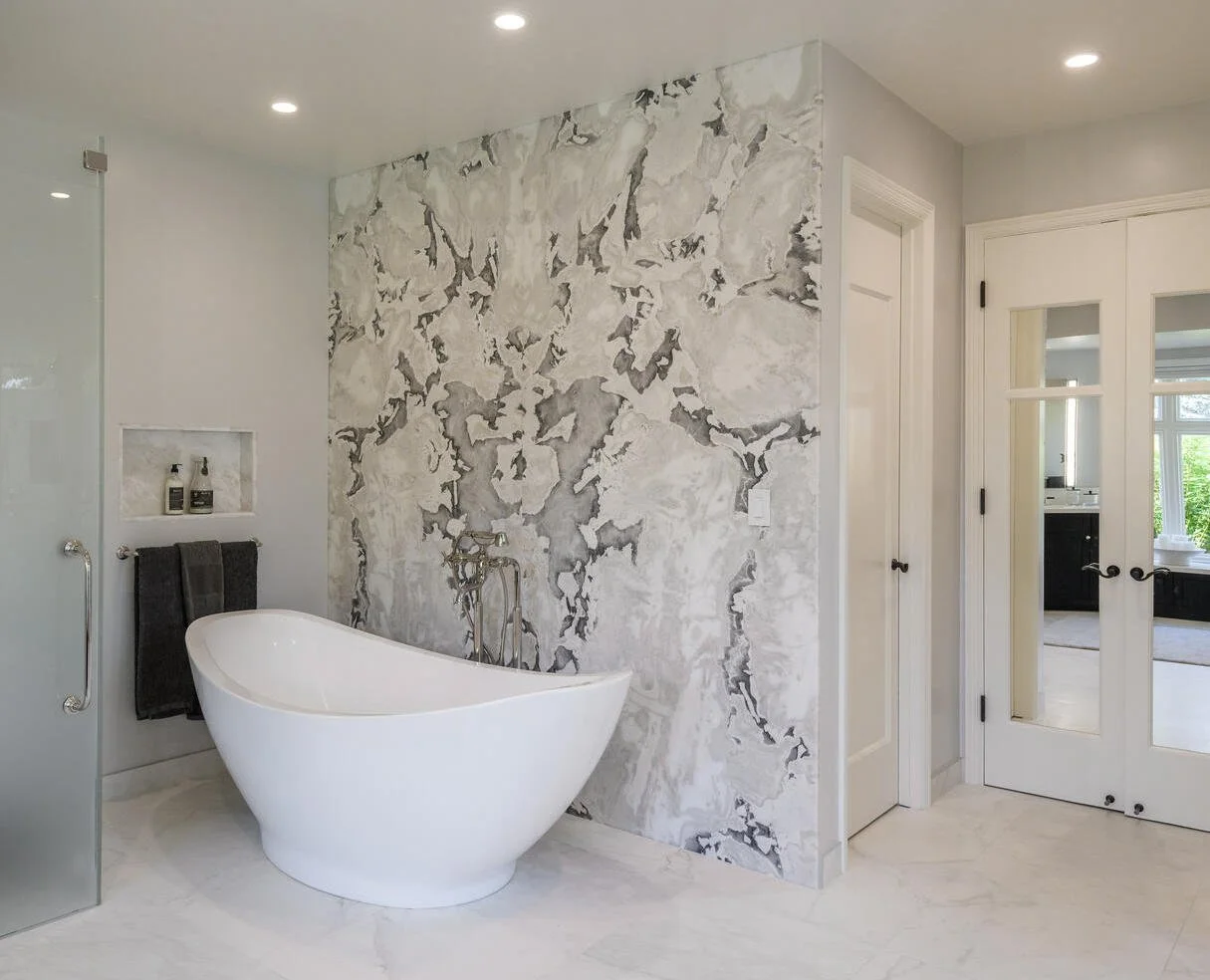
Designed by Atelier Noel
Accurate results require the right equipment. Use a reliable tape measure (preferably 25 feet or longer), a level, graph paper, a pencil, and a calculator. A laser distance measurer can provide additional precision for larger spaces. Having proper tools ensures that when you’re ready to buy stone slabs, you’re working with dependable numbers.
Measure Length and Width
Measure the full length and width of each surface area in inches. For countertops, measure along the wall from one end to the other. Break complex layouts into smaller rectangular sections, then calculate each section individually. Always measure twice to confirm accuracy. Even a half-inch discrepancy can affect fabrication and installation.
When selecting materials like marble slabs or quartz slabs, precise measurements help determine how much material is required and whether a single slab can accommodate your design without visible seams.
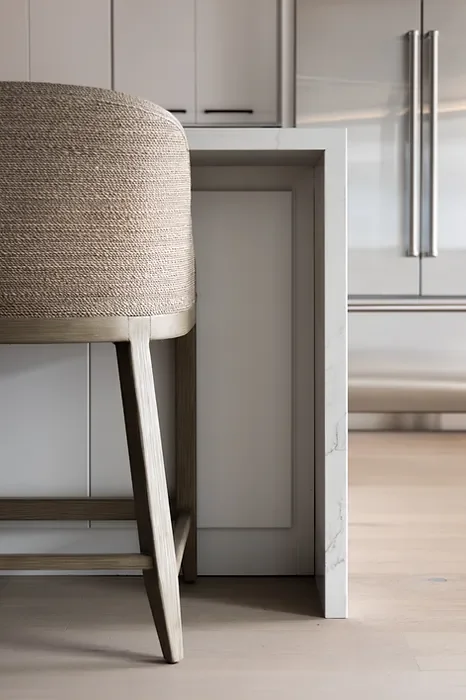
Designed by Kate Handel Design
Consider Height and Depth (If Applicable)
For vertical applications such as backsplashes or wall cladding, measure height as well as width. For countertops, confirm standard depth (typically around 24 inches) but verify your specific cabinetry dimensions. If installing waterfall edges or full-height backsplashes, include those vertical measurements in your calculations.
Account for Overhangs and Edges
If your project includes an island or breakfast bar, remember to measure planned overhangs. Standard overhangs range from 1 to 12 inches, depending on seating arrangements. Edge profiles may also slightly influence final dimensions. Be sure to factor these into your totals so your stone slab supplier can fabricate accurately.
Double-Check Measurements
Once all sections are measured, review everything carefully. Re-measure critical spans and confirm cutout placements. Pay special attention to corners and angled walls. If possible, have another person verify your numbers. Accuracy at this stage prevents unnecessary material waste and unexpected expenses later.
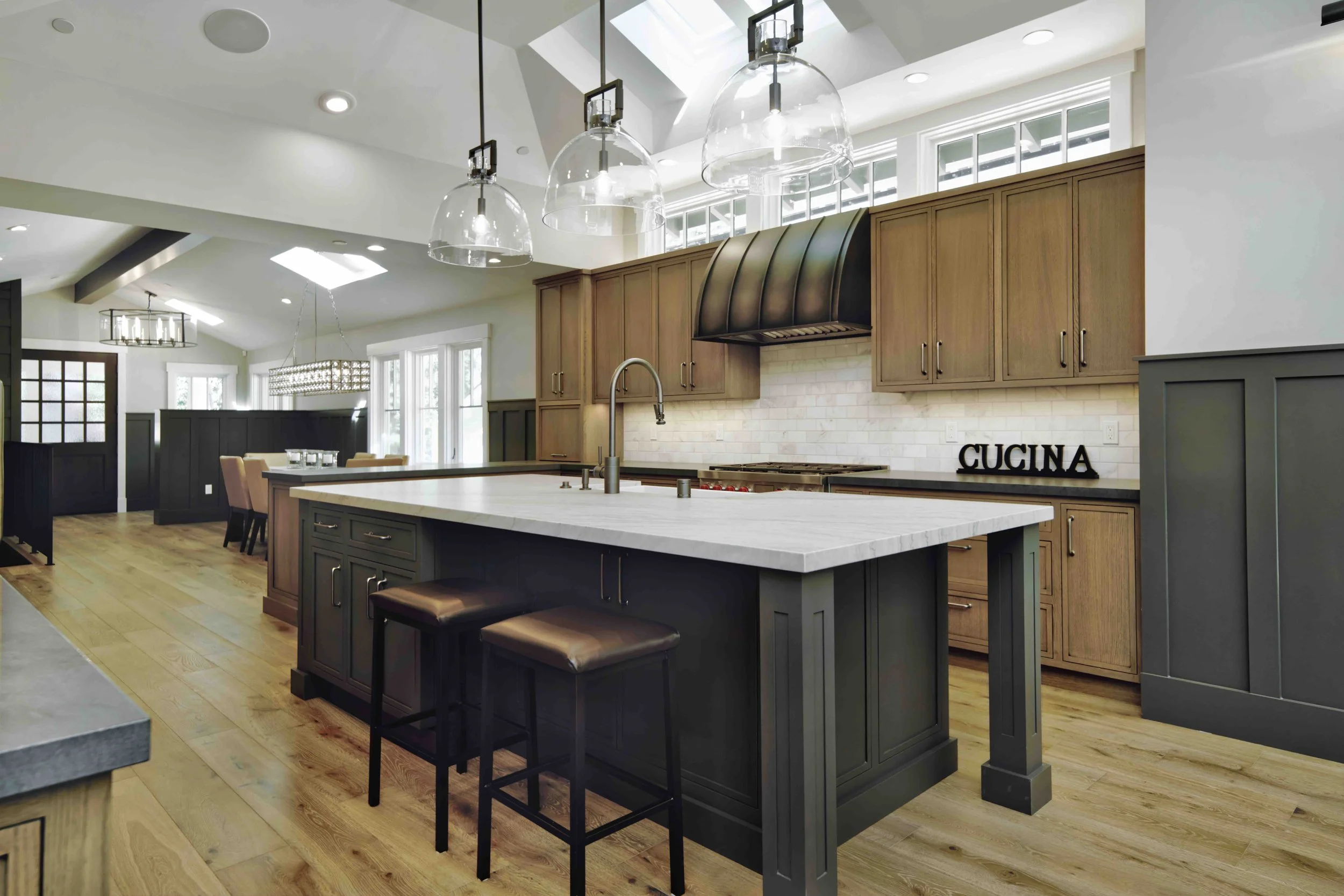
Designed by Spaces by Juliana Linssen
Create a Diagram or Sketch
Draw a simple layout of your space on graph paper. Label each section with exact measurements and clearly mark sink, cooktop, or fixture locations. This visual reference will be beneficial when visiting a natural stone supplier or tile showroom. It allows the sales team to understand your project better and recommend suitable slab sizes.
Consider Future Adjustments
Think ahead about possible layout changes. Are you planning to upgrade appliances? Add a larger sink? Extend cabinetry later? Planning for minor adjustments now can prevent the need for additional modifications in the future.
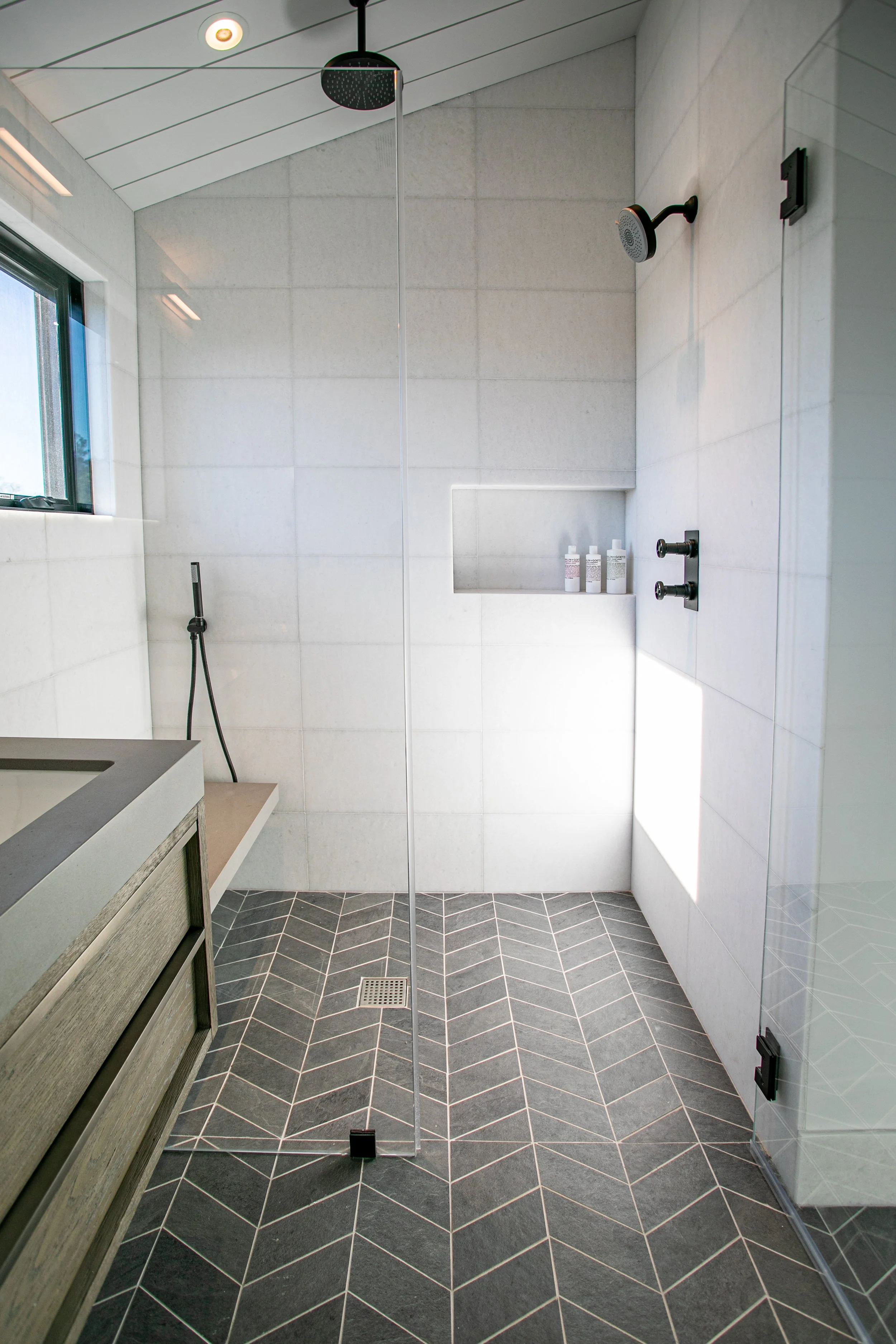
Materials selected by Burlingame rep, Paul Rozendal
Budget for Extra Material
It’s wise to budget for approximately 10% extra material to account for fabrication cuts, potential breakage, or pattern matching. Natural materials vary in veining and color, so having additional material ensures consistency across your installation.
Get Expert Guidance from All Natural Stone for the Perfect Stone Slab
Measuring your space carefully is the foundation of a successful project. With accurate dimensions in hand, you can confidently explore premium surfaces throughout the Bay Area. For homeowners and designers seeking high-quality selections and expert advice, All Natural Stone offers exceptional materials and guidance through its showrooms in San Jose, Burlingame, Dublin, and Berkeley. While installation services are not provided, their knowledgeable team helps you choose the right slab to bring your vision to life.