ANS X GFDA X SPACES
Trends and Their Impact on Design: A Conversation Rooted in Natural Materials
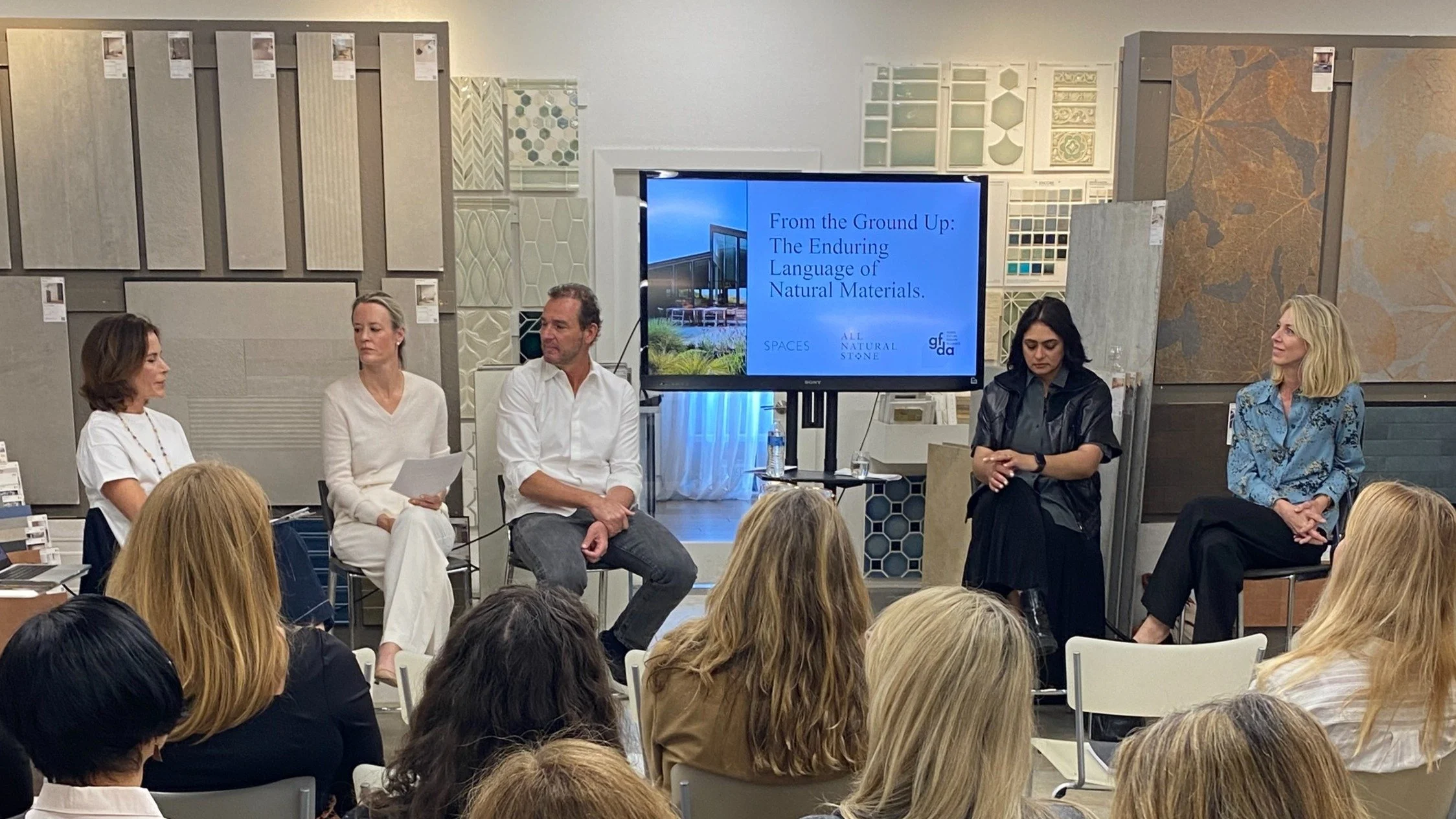
Natural materials have shaped the built environment for millennia, and their appeal shows no sign of fading. At a recent panel hosted by All Natural Stone in collaboration with SPACES Magazine, Kathryn Soter, Executive Director of the Good Future Design Alliance, brought together a cross-disciplinary group of design leaders to explore how natural materials inform their work, spanning architecture, interior design, and both residential and hospitality environments.
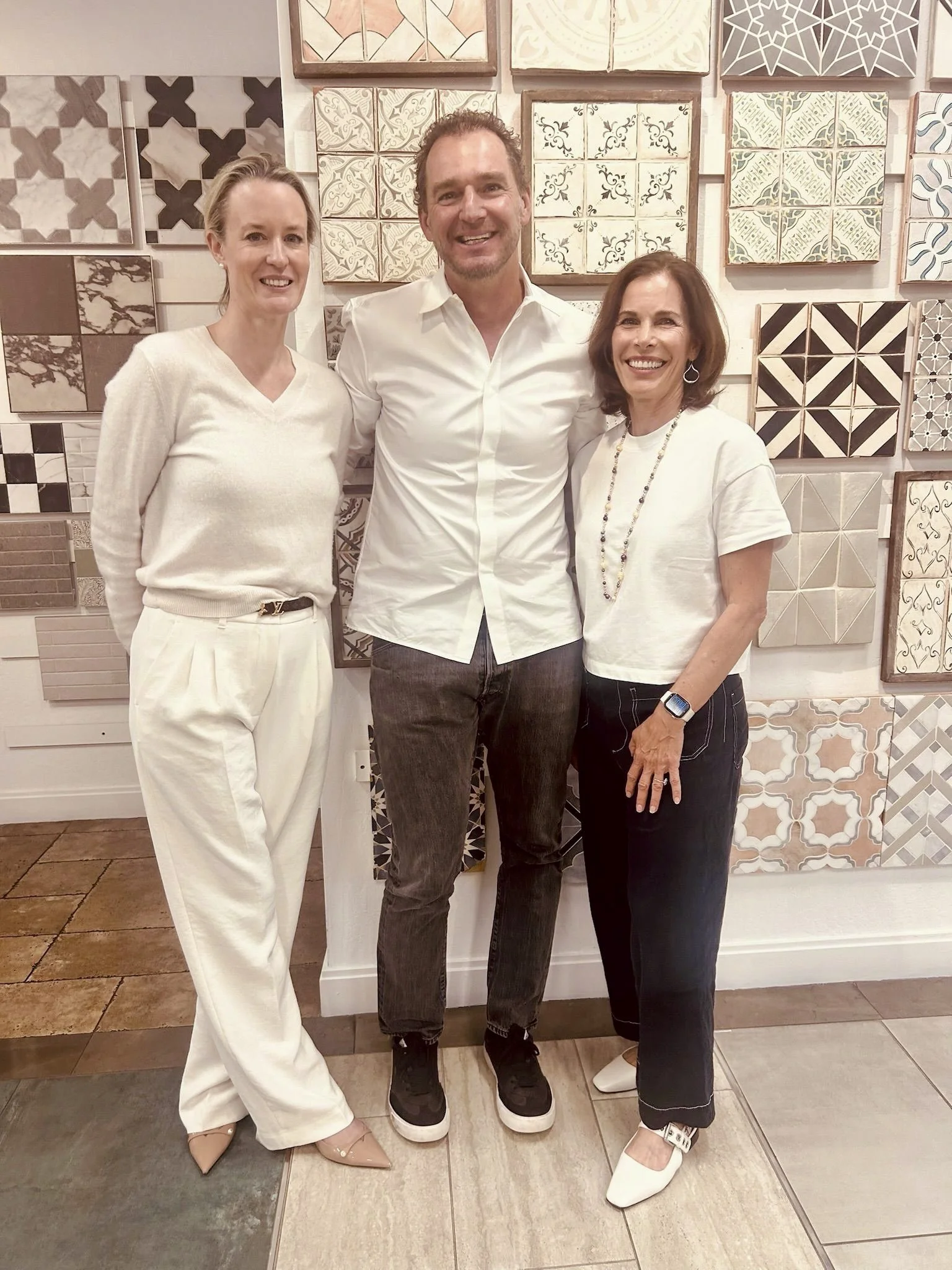
The panel featured Cristof Eigelberger, CEO, Founding Principal, and RA, and Lucy McCormick, Principal of Interior Furnishing and Decorative Design, both of Eigelberger Architecture, alongside Ansley Majit, Founding Principal of L+P Interiors, and Nureed Saeed, Owner and Creative Director of Nu Interiors. Together, they explored materiality, craftsmanship, and the enduring design possibilities that natural materials make possible
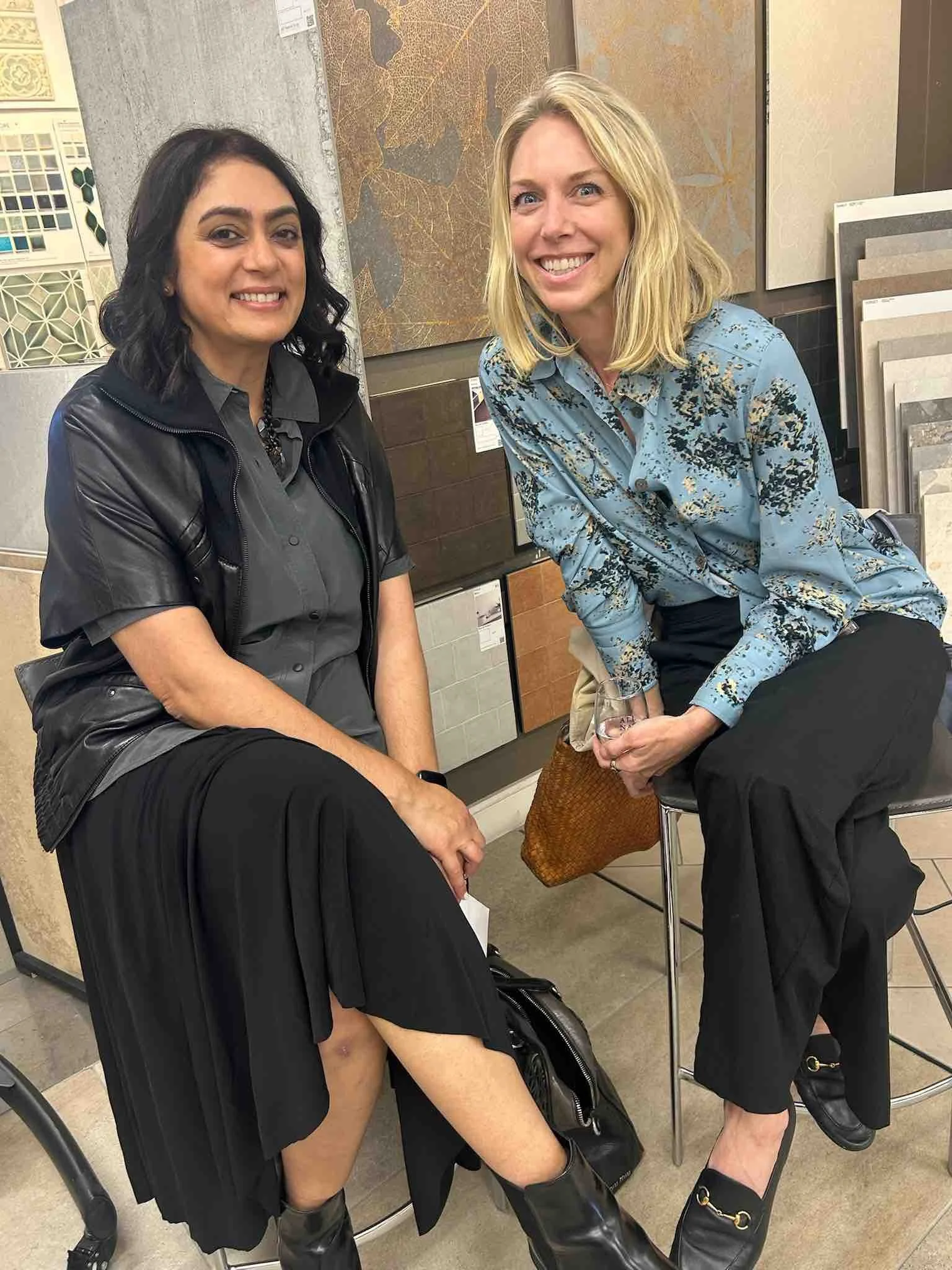
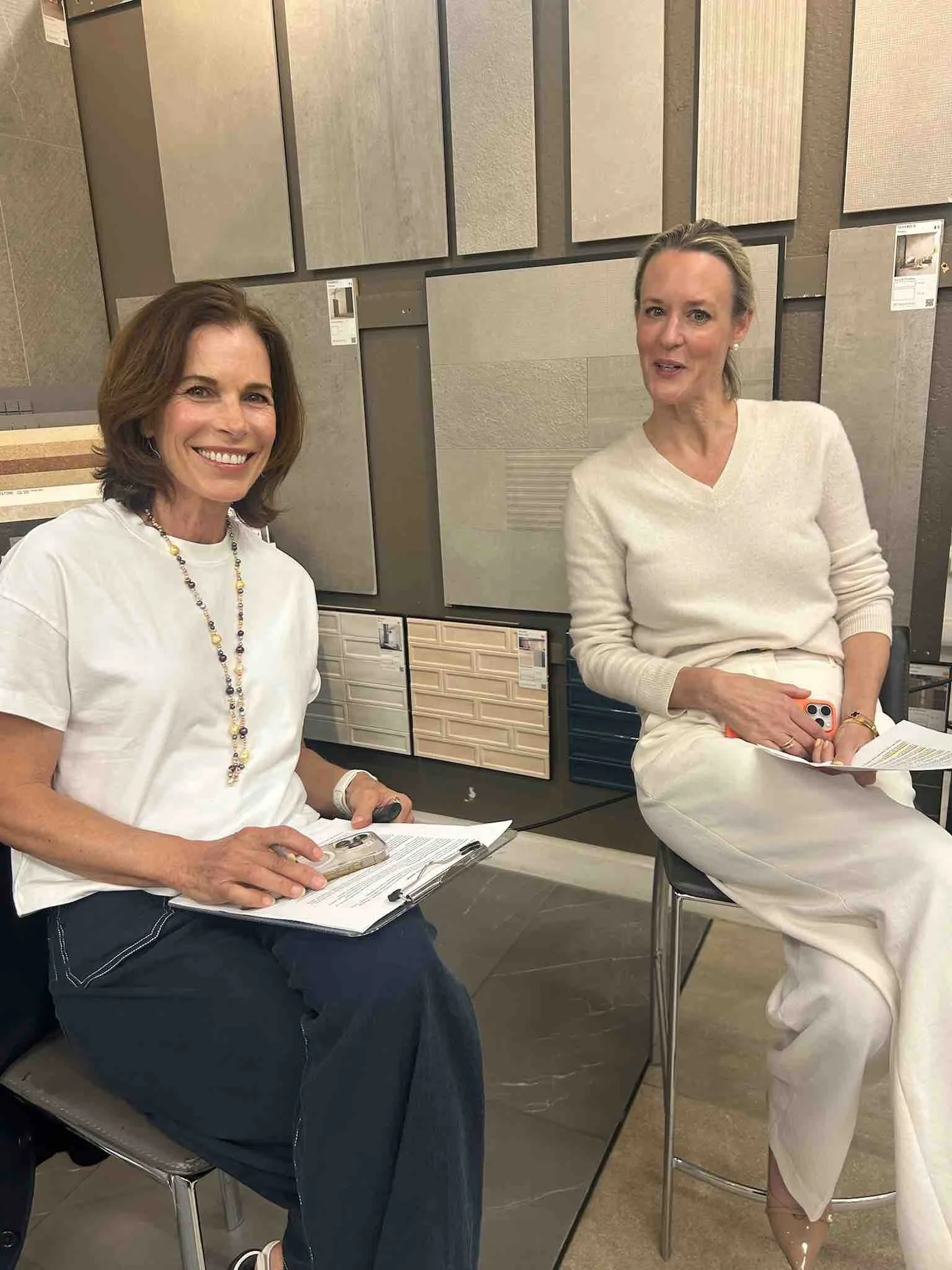
The conversation moved beyond fleeting trends, instead highlighting a deeper shift toward authenticity, longevity, and wellness-driven design. Across residential and hospitality projects alike, natural materials, from marble and stone to cork, clay, and wood, are being embraced not simply for their beauty, but for their ability to create spaces that feel grounded, lived-in, and timeless.
Beyond Trends: The Appeal of Authenticity
A central theme throughout the discussion was the idea that natural materials transcend trend cycles. Their inherent irregularities, veining in marble, patina in leather, the tactile quality of plaster, offer what one panelist described as a “perfect imperfection,” bringing warmth and character that manufactured materials often lack.
Rather than chasing what’s new, designers are increasingly focused on materials that tell a story, that connect a space to nature, history, and place. As noted during the panel, these materials act as a kind of universal language, grounding interiors in something both personal and enduring.
Wellness, Sustainability, and Longevity
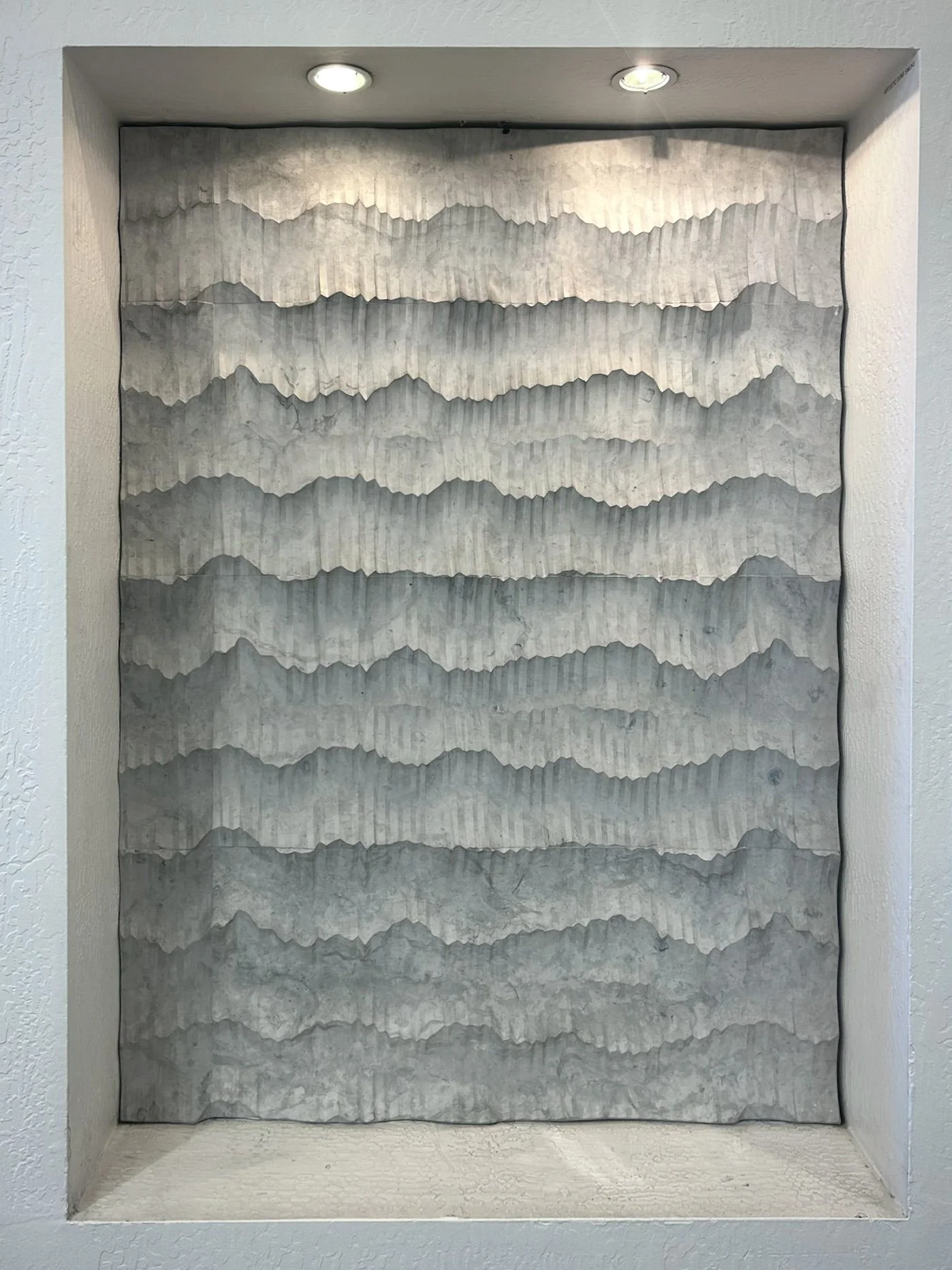
The rise of natural materials is also closely tied to a growing emphasis on health and sustainability. Designers pointed to improved indoor air quality, reduced off-gassing, and the “breathability” of materials as critical considerations in modern design.
Beyond environmental impact, the conversation emphasized long-term value. Natural materials often age gracefully, requiring maintenance rather than replacement. Honed marble can be resealed, worn leather develops character, and even stainless steel appliances gain appeal through use, challenging the notion that perfection equals longevity.
Flexibility Across Budgets and Applications
Contrary to common perception, natural materials are not reserved solely for high-end projects. Panelists highlighted their adaptability across a range of budgets, noting that cost differences between natural and man-made materials are often less significant than assumed.
Designers shared practical strategies, such as using statement materials selectively—introducing colored stone in smaller areas like bathrooms or revitalizing existing features rather than replacing them entirely. The message was clear: thoughtful application matters more than scale.
Revitalization Over Replacement
Another key takeaway was the growing movement toward reuse and reinterpretation. Rather than gutting spaces, designers are increasingly refining what already exists: honing outdated stone finishes, pairing vintage tile with contemporary elements, or layering in new materials to refresh a space without erasing its history.
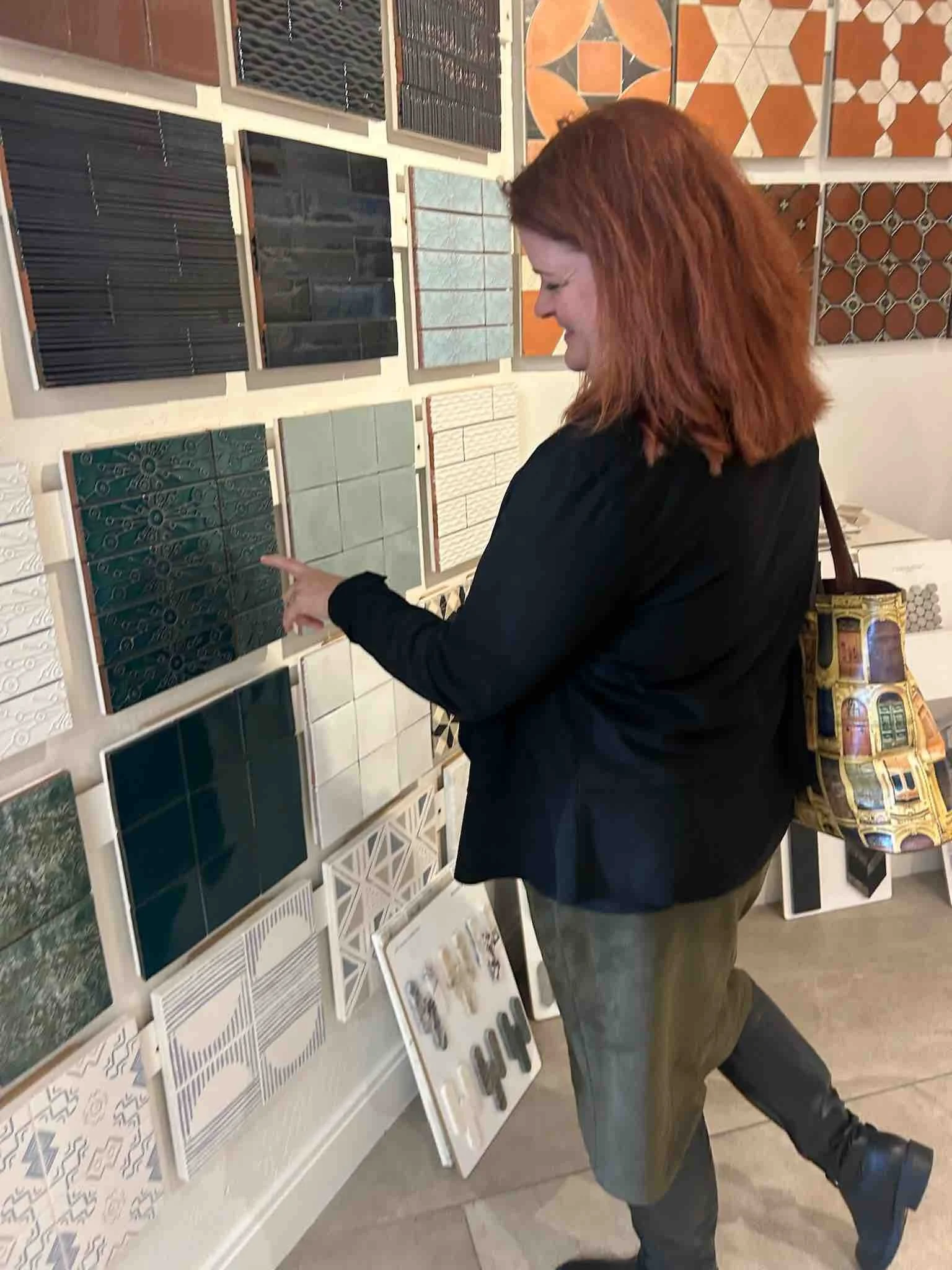
This approach reflects a broader industry shift toward sustainability, but also a more nuanced understanding of design as evolution rather than reinvention.
Hospitality Insights: Performance Meets Beauty
In hospitality environments, where durability and performance are paramount, natural materials continue to prove their value. Panelists shared examples of large-scale projects where materials like marble and stone were selected not only for aesthetics but for their long-term resilience and low maintenance.
The discussion also touched on the importance of educating clients—particularly in commercial settings—on lifecycle costs. Initial investments in natural materials often result in lower replacement and operational costs over time.
Cultural Influence and Personal Expression
The panel also explored how cultural backgrounds shape material preferences and design perspectives. From the use of marble and clay tile in the Middle East to the influence of stone and wood in the UK countryside, designers draw on personal histories to inform their work.
Ultimately, the choice of materials becomes an extension of identity. As one panelist noted, selecting materials is less about following trends and more about aligning with what resonates on a personal level.
A Return to What Lasts
If there was one unifying message, it was this: the future of design is not about constant reinvention, but about thoughtful evolution.
Natural materials—timeless, adaptable, and inherently human—continue to offer a foundation for spaces that not only look beautiful, but feel meaningful, enduring, and alive.